
Severe Allergic Reactions and Emergency Care
Understand the signs of anaphylaxis and what to do in an emergency.
Anaphylaxis Symptoms and Emergency Treatment

About one in 20 adults in the U.S. has experienced anaphylaxis at least once. This is a life threatening reaction that can develop quickly and affect breathing and blood circulation.
In real life, the main difficulty is recognizing what is happening in time. Symptoms can start suddenly and look different from one situation to another, which makes people hesitate or misinterpret the reaction.
That is why it is important to understand when epinephrine is truly needed and when symptoms may be caused by a different type of reaction.
If you suspect anaphylaxis, call 911 immediately. This is always a medical emergency.
What Anaphylaxis and Anaphylactic Shock Mean
Anaphylaxis is a fast allergic reaction that can become dangerous within minutes. The main risk is not just skin symptoms, but changes in breathing and blood pressure.
A person may feel that it is hard to breathe, there is tightness in the chest, or not enough air. At the same time, blood pressure can drop quickly. This may feel like sudden weakness, dizziness, blurred vision, or a feeling that you might faint.
If the reaction continues, it can progress to anaphylactic shock. In this stage, blood pressure falls below safe levels, usually below 90 mmHg or significantly lower than a person’s normal level. This reduces blood flow to vital organs and becomes life threatening.
What Most Often Triggers Anaphylaxis
| Cause | How Often | Common Examples |
|---|---|---|
| Medications | Up to 50–60% of cases | Antibiotics, NSAIDs (pain relievers), iodine contrast agents |
| Food | Around 20–30% | Peanuts, tree nuts, seafood, milk |
| Insect stings | About 5–10% | Bees, wasps |
| Other triggers | Less common | Exercise, latex, unknown causes |
Main Symptoms of Anaphylaxis
Symptoms usually develop quickly, but timing can vary depending on the trigger. Reactions to medications often start within minutes. With insect stings, symptoms usually appear within 5 to 30 minutes. With food, they most often develop within minutes to 2 hours.
A key warning sign is when symptoms affect different parts of the body at the same time.
For Example
- skin rash together with difficulty breathing
- swelling of the face along with dizziness or weakness
- nausea combined with hives or itching
What Symptoms May Look Like

Skin and Face
- hives across the body
- itching
- swelling of the lips, eyelids, face, or tongue
Breathing
- shortness of breath
- wheezing or whistling sounds
- tightness in the chest
- hoarseness or difficulty speaking
General Condition and Circulation
- sudden weakness
- dizziness or blurred vision
- feeling like you might faint
Digestive Symptoms
- abdominal pain
- nausea or vomiting
- diarrhea
Anaphylaxis can happen even without visible skin symptoms. A fast combination of symptoms is more important than how many there are.
When to Use Epinephrine
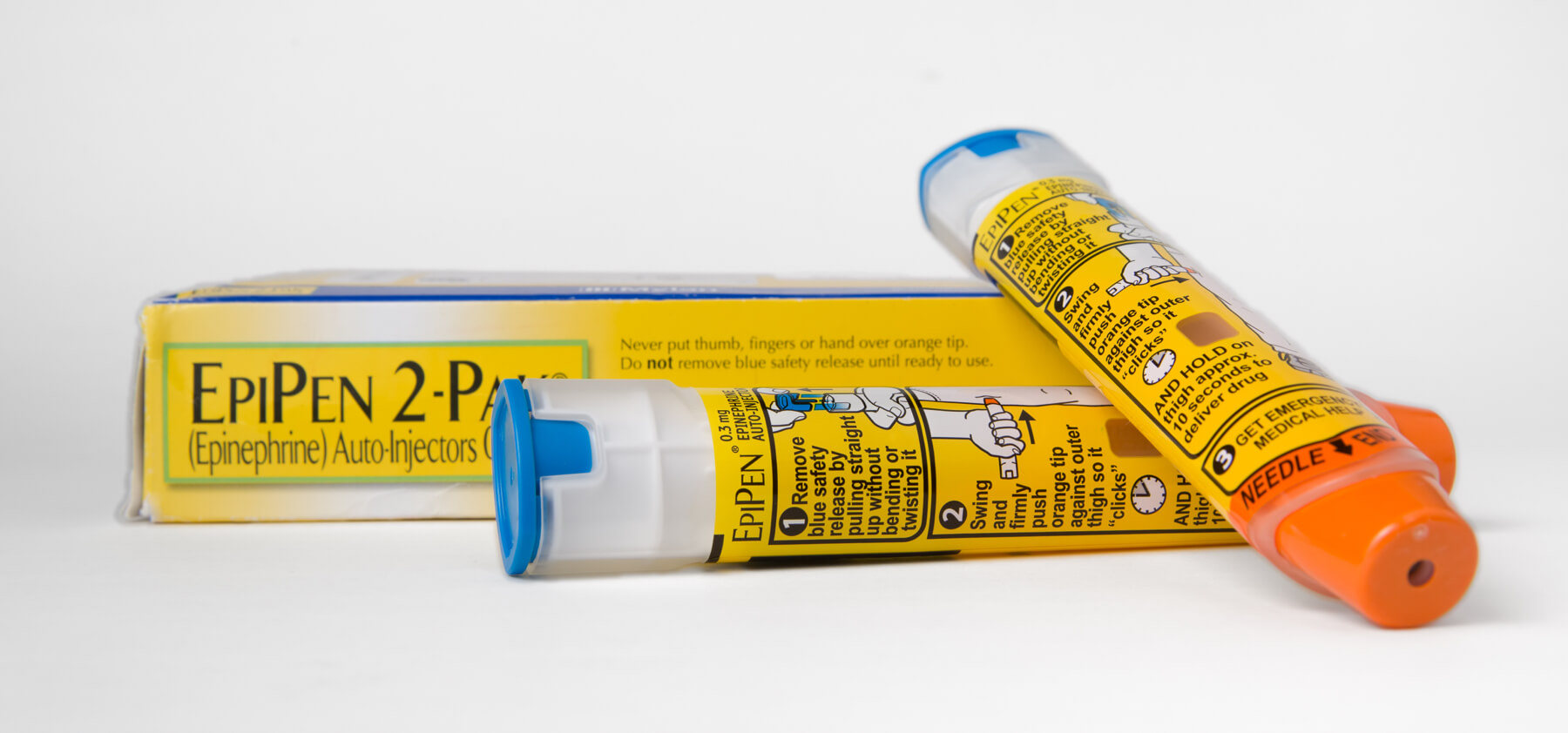
Epinephrine should be used if symptoms suggest anaphylaxis. This includes situations where breathing becomes difficult, there is swelling of the face or throat, or a person feels weak, dizzy, or like they might faint.
It should also be used when symptoms affect different parts of the body at the same time. For example, a rash together with breathing problems, or swelling along with dizziness.
If symptoms are getting worse or spreading quickly, it is safer to use epinephrine than to wait.
When Epinephrine May Not Be Needed
Not every reaction that looks intense is anaphylaxis. For example, a person may feel dizzy, develop a rash, or feel unwell right after an injection or dental procedure. This can happen because of stress, pain, or a sudden rise in blood pressure.
In these situations, epinephrine is not needed and may make the condition worse.
How to Tell the Difference
With anaphylaxis, symptoms usually do not stay in one place. Breathing becomes harder, weakness increases, or the person feels like they might faint. The condition tends to get worse quickly.
If symptoms remain limited and breathing is not affected, it is less likely to be anaphylaxis.
If You Need Help Managing Allergies
If you’ve had a severe reaction, need a prescription for an epinephrine auto injector, or want to better understand your symptoms, you’re welcome to come in.
You can walk in at Buckhead Primary Care or schedule an appointment online.