

Hormones and Men’s Health: How Testosterone Affects Energy, Well-Being, and Longevity
Many men notice changes in energy, motivation, or physical resilience long before any serious illness appears. These changes are often dismissed as stress, aging, or a demanding lifestyle. In reality, hormonal shifts, particularly in testosterone, can quietly influence how the body adapts, recovers, and maintains balance over time.
Understanding how testosterone works, why its levels change, and when those changes actually matter is essential for making informed decisions about long-term health.
What is Low Testosterone?

The term “male menopause” or ‘andropause’ often appears on the internet, but it is misleading. Unlike female menopause, men do not experience a sharp and universal decline in hormones. Therefore, it is incorrect to use the word “menopause” for men.
The correct medical term is hypogonadism. This is a condition in which the testicles do not produce enough testosterone, or the brain does not send the necessary signals for its production.
Hypogonadism can occur at any age. It is not an inevitable stage of aging, although it becomes more common with age. It is a complex of symptoms associated with impaired hormonal function of the testicles. Since testosterone affects the functioning of virtually all body systems, even a moderate decrease in its level can lead to a wide range of physical, sexual, and emotional symptoms.
Why Testosterone is Now Seen as a Longevity Factor

Studies suggest that low testosterone affects not just how men feel, but how their bodies age. Chronic deficiency is linked to several long-term health risks.
Inflammation Control
Testosterone affects the immune system. Low levels are associated with increased chronic inflammation, a condition that accelerates the development of atherosclerosis, type 2 diabetes, and heart disease.
Metabolic Health
Men with low testosterone are significantly more likely to experience insulin resistance. This is not just weight gain, but a metabolic disorder that increases the risk of cardiovascular disease and reduces the quality of aging.
Muscle and Bone Strength
Testosterone levels affect the body's ability to maintain muscle tissue and bone density. This reserve is called the functional reserve.
Men with reduced reserve are more prone to injury, take longer to recover from illness, and are more likely to have mobility limitations in old age.
What Symptoms May Indicate Low Testosterone

Not all symptoms of low testosterone are obvious. Below are several less common but clinically important signs that are often overlooked or misattributed to stress or aging.
- Decreased frequency of morning erections. This is one of the most reliable early markers of hormonal changes — more informative than libido.
- Significant change in body composition. Fat redistribution — more in the abdominal area, less muscle density with a normal lifestyle.
- Slower physical recovery. Men notice that recovery after training or illness takes twice as long, and endurance decreases.
- Thermoregulation disorders. Hot flashes, feeling hot, sweating. Especially in hot weather or after physical exertion.
- Sleep problems, especially early waking. Waking up at 4-5 a.m. with a feeling of anxiety, lasting for a long time.
- Less emotional response to everyday events. This is not clinical depression, but many men describe a feeling of emotional flatness. Things that once brought enjoyment may no longer feel meaningful or satisfying.
Hormone Therapy for Men: When Is It Actually Needed?
Testosterone replacement therapy is a medical treatment that your doctor will only prescribe if you have a confirmed hormone deficiency. Symptoms alone are not enough. Therefore, you first need a diagnosis, and only then can a decision about treatment be made.
Tests for Suspected Low Testosterone

Testosterone levels fluctuate throughout the day. They are sensitive to stress, lack of sleep, and acute illnesses. To determine whether hormone levels are truly low, your doctor will order laboratory tests.
What Testing Involves
Testosterone levels naturally vary throughout the day. They can also be affected by stress, sleep quality, or recent illness. To understand whether there is an actual hormonal imbalance, your doctor will order a set of blood tests and clinical evaluations.
Here is what a typical diagnostic workup may include:
- two early-morning blood tests for total testosterone
- free testosterone and SHBG (sex hormone–binding globulin)
- LH and FSH (luteinizing and follicle-stimulating hormones)
- prolactin, to help rule out pituitary gland issues
- a complete blood count with hemoglobin and hematocrit levels
- PSA test and a prostate exam by a urologist
- an ECG, and if needed, a cardiac ultrasound — especially for men with cardiovascular risk factors
Once results are available, your doctor can determine whether you meet the clinical criteria for hypogonadism and identify the underlying cause. Only after that is hormone therapy considered as a possible next step.
Individual Treatment Plan for Low Testosterone in Each Man
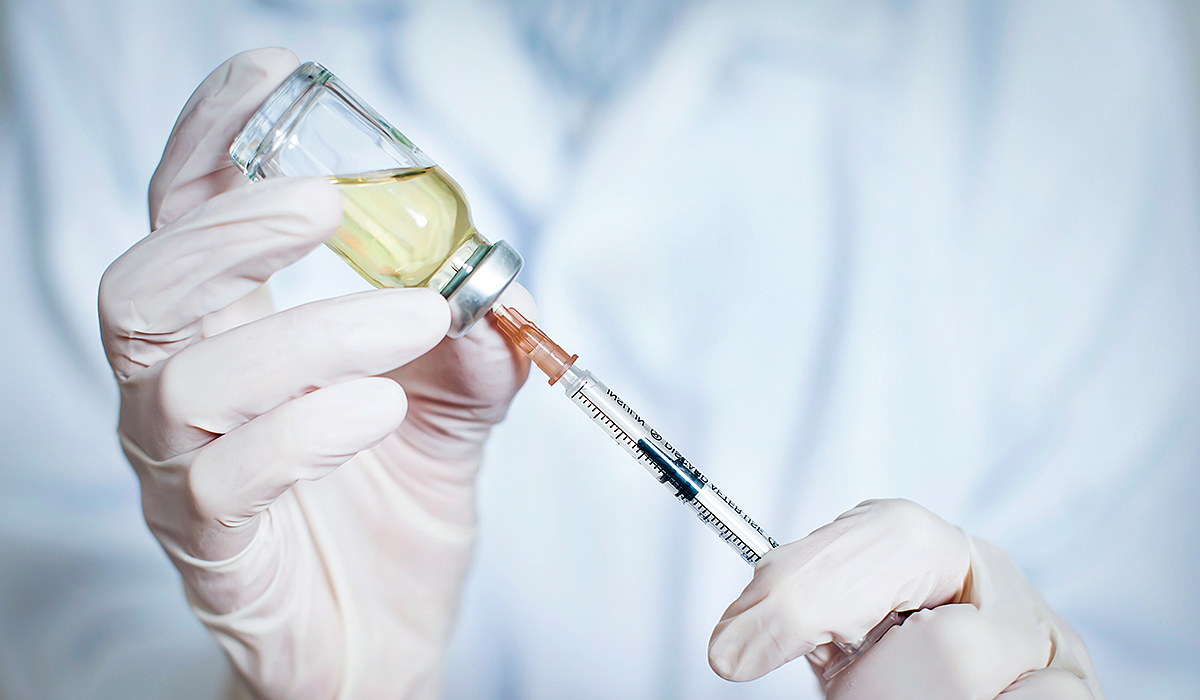
The treatment regimen is always tailored to the individual man. The doctor takes many factors into account.
- whether you're planning to have children
- your age and activity level
- any existing health conditions
- which type of medication you’re most comfortable using
For patients who need to maintain fertility, methods are used to stimulate the body's own testosterone production. When the goal is to stabilize hormone levels without affecting reproductive function, replacement forms such as gels, creams, or injections are prescribed.
Understanding the Risks of Testosterone Therapy
When testosterone therapy is prescribed appropriately and monitored by a doctor, it’s generally safe and effective. But problems can arise when it's used without proper testing, in the wrong doses, or for reasons that don't actually require hormone treatment.
What are Considered Reasonable Risks?
- Increased Hematocrit. Testosterone can increase the number of red blood cells. This is not dangerous, but it requires regular blood tests and dose adjustments if necessary.
- Impact on Fertility. Testosterone replacement can temporarily suppress sperm production. This effect is usually reversible, but it’s a key consideration if you’re planning to have children in the near future.
- Local Reactions. Sometimes acne, breast tenderness, skin irritation from gels, or discomfort after injections occur. These effects are usually easily corrected.
- Prostate Monitoring. TRT does not increase the risk of prostate cancer, but your doctor will regularly monitor your PSA and perform an exam to make sure everything is okay.
When Testosterone Therapy Should Be Avoided
Testosterone replacement isn’t safe or appropriate in every situation. In some cases, it can make existing conditions worse or interfere with proper diagnosis and treatment.
- Active prostate cancer. Men with current or recently treated prostate cancer should not start testosterone therapy unless they are in long-term remission and cleared by a specialist.
- Male breast cancer. Though rare, breast cancer in men is a strict contraindication. Testosterone may fuel tumor growth in hormone-sensitive cancers.
- Severe urinary symptoms. If you’re experiencing significant urinary retention or obstruction due to an enlarged prostate, hormone therapy may need to wait until the issue is treated and stabilized.
- Elevated hematocrit. Testosterone can further increase hematocrit levels. If they are already high before starting therapy, the risk of blood clots or cardiovascular events becomes a concern. This must be addressed first.
- Uncontrolled heart failure. Men with unstable or advanced heart failure may not tolerate testosterone safely. Treatment can only be considered once the condition is medically controlled.
- Trying to conceive. If you’re planning to have children in the near future, testosterone replacement is not recommended. It suppresses sperm production, which can interfere with fertility.
Note: this doesn’t rule out all forms of hormone therapy—just testosterone replacement specifically.
Final Thoughts
What many men think of as a “midlife crisis” often turns out to be something else entirely. Fatigue, low energy, changes in mood, or a drop in sexual interest aren’t just part of getting older; they may be signs of low testosterone or another treatable health issue.
These changes can happen at any age. That’s why it’s important not to dismiss them as stress or aging, but to get a clear understanding of what’s really going on.
At Buckhead Primary and Urgent Care, we help men take control of their health with thorough testing, personalized treatment plans, and ongoing support.
Schedule a consultation to learn what’s behind your symptoms, and take the next step toward feeling like yourself again.