

VO₂ Max as a Marker of Longevity and Health
For a long time, VO₂ max was considered a metric relevant mainly to athletes. Today, it is increasingly viewed as one of the most informative indicators of overall health and long-term survival. It reflects how efficiently the heart, lungs, blood vessels, and muscles work together under physical stress.
Unlike many lab values, VO₂ max shows not just what is happening in the body at rest, but how well the body copes with real-life demands. Research over the past decade has shown a strong association between aerobic capacity and the risk of chronic disease, loss of independence, and premature death.
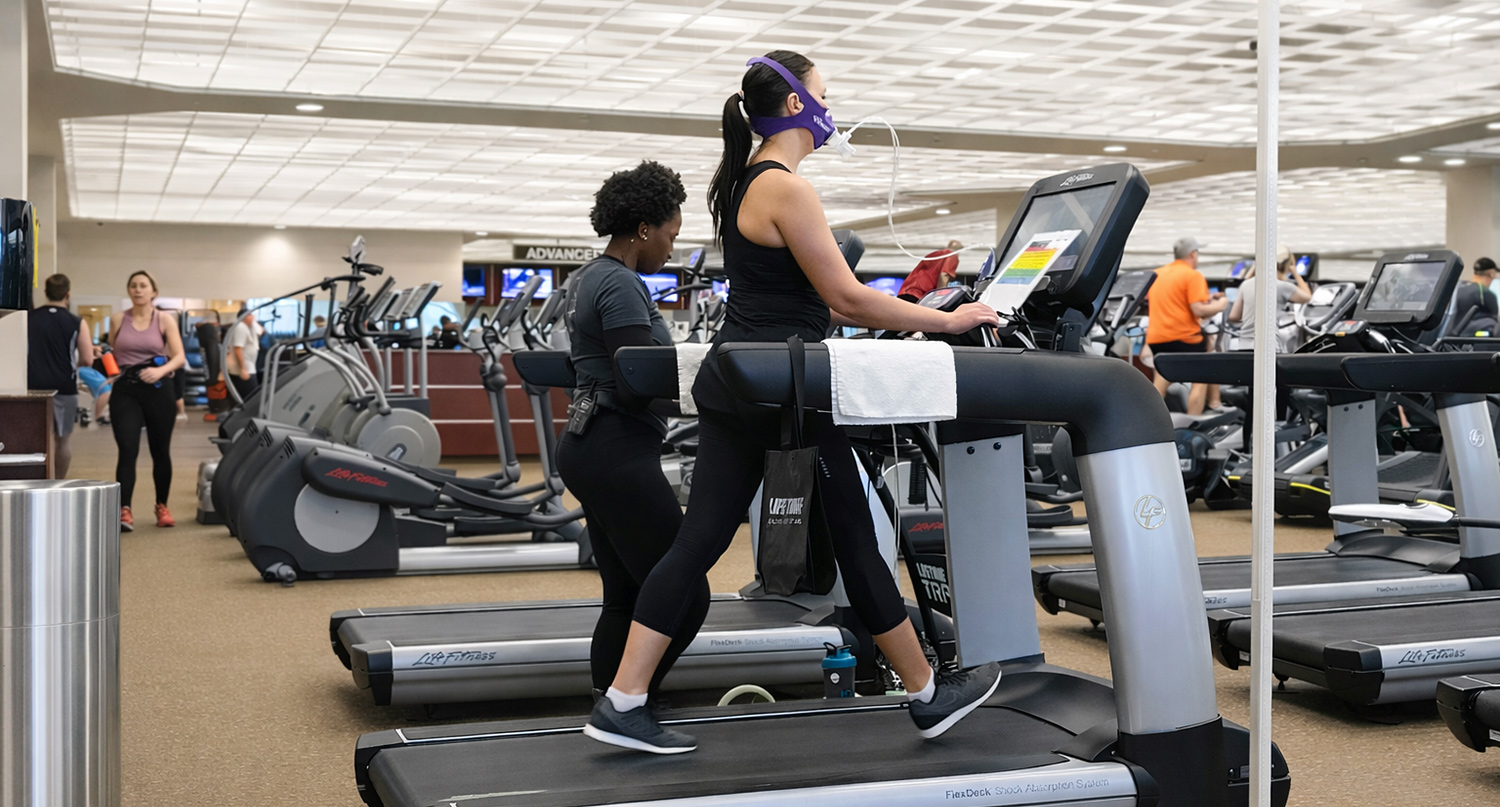
Understanding what VO₂ max represents, how it changes with age, and why even small improvements matter can help reframe how we think about fitness, aging, and long-term health.
Why VO₂ Max is Linked to Longevity
A lot of data has been accumulated over the past ten years. Here are some key facts.
People With Low VO₂ Max Have a Higher Risk of Premature Death
In a major study published in 2018, people with the lowest levels of aerobic fitness had nearly five times the risk of premature death compared to those with the highest fitness levels. That is a dramatic difference, and it highlights how important endurance is to overall health.
Increasing VO₂ Max by Just one Step Significantly Reduces the Risk of Disease
Large studies show that if the indicator increases by at least three or four units, the risk of premature death decreases by about ten to fifteen percent.
This means that a person does not need to become an athlete. Even a small improvement, such as walking faster or climbing stairs more easily, is already associated with a lower risk of cardiovascular disease and other complications.
High VO₂ Max Reduces Risks Even When Overweight
Studies show that good physical fitness is associated with lower mortality regardless of body weight. Even in obese people, a high VO₂ max significantly reduces the likelihood of cardiovascular complications and premature death.
This means that it is not just the number on the scales that is important for health. If a person maintains moderate endurance and exercises regularly, the body copes better with stress and remains resistant to chronic diseases for longer.
VO₂ Max is a Marker of Biological Age
VO₂ max is sometimes called a marker of physiological youth. That is because it reflects how efficiently your heart, lungs, blood vessels, and muscles work together under stress. People with higher VO₂ max levels tend to have sharper thinking, better reaction times, and more independence in daily life.
Although VO₂ max naturally declines with age, the rate of decline is different for everyone. People who stay active, maintain muscle strength, and train their cardiovascular system often keep higher values for longer. In fact, many people in their sixties can have the aerobic fitness of someone ten or fifteen years younger.
How VO₂ Max Changes With Age
VO₂ max gradually decreases starting at around age 30. On average, it decreases by about 10% every decade. This is a natural process associated with changes in the body:
- muscle mass decreases
- blood vessels lose some of their elasticity
- maximum heart rate decreases
- mitochondrial activity decreases
By the time most people reach their forties, the average VO₂ max is about 35 milliliters per kilogram per minute. Without regular exercise, this number often drops to around 25 by age 60.
The good news is that regular aerobic training can slow this decline. Staying active helps preserve muscle strength, improve circulation, and maintain endurance. People who consistently exercise into midlife and beyond often keep a much higher VO₂ max than their peers. That means more energy, better mobility, and greater independence for longer.
Typical VO₂ Max Ranges by Age and Gender
These general ranges can help you understand how your VO₂ max compares to others in your age group. Keep in mind that these are average values and do not replace a personalized assessment by your doctor.
| Age | Women (ml/kg/min) | Men (ml/kg/min) |
|---|---|---|
| 20–29 | 33–42 | 42–48 |
| 30–39 | 30–40 | 40–46 |
| 40–49 | 27–38 | 36–43 |
| 50–59 | 24–34 | 32–40 |
| 60–69 | 20–31 | 29–36 |
When VO₂ max drops to around ten milliliters per kilogram per minute, even basic activities like walking can cause significant shortness of breath. People in this range are more likely to experience serious complications, require hospitalization, and become dependent on daily assistance.
How VO₂ Max Helps Assess the Performance of Your Heart, Blood Vessels, Lungs, and Muscles
Why the Link Between VO₂ Max and Longevity Requires Further Evidence
Studies consistently show that people with higher VO₂ max live longer and are less likely to suffer from chronic diseases. However, it is important to note that most of this data comes from observational studies. These studies reveal a correlation, but do not confirm a direct cause-and-effect relationship.
Scientists continue to study how much exercise can actually affect life expectancy and whether long-term risks can be permanently changed by improving VO₂ max. This requires studies that observe people over many years.
The main thing is now known. When VO₂ max improves, risks decrease. Science is still working out exactly how much each individual workout contributes.
Final Thoughts
VO₂ max offers a new way to look at your health. It shows how well your body handles physical stress and how easily you can manage everyday activities. While it does not replace lab tests or medical exams, it adds an important layer of insight into how your body performs in real life.
The best part is that VO₂ max can be improved. You do not need to be an athlete to raise your numbers. Small but consistent lifestyle changes can strengthen your heart, improve muscle function, and support brain health. This becomes especially important with age, when maintaining energy and independence matters more than ever.
For patients, VO₂ max provides a clear and measurable goal. It helps track real progress that is often hard to see otherwise, and it makes staying active feel more purposeful and rewarding. For doctors, it is a useful tool for offering personalized guidance that fits each person’s health status and capacity.
In the end, the value of VO₂ max is not just in the number. It is in what that number represents—the ability to live a more active, balanced, and healthy life.
If you would like to better understand your body, explore strategies for healthy aging, or learn how your system responds to exercise, we are here to help. At Buckhead Primary and Urgent Care Clinic, we can assess your current condition, answer your questions, and build a plan that supports your goals now and into the future.