
Electrocardiogram (EKG) in Buckhead
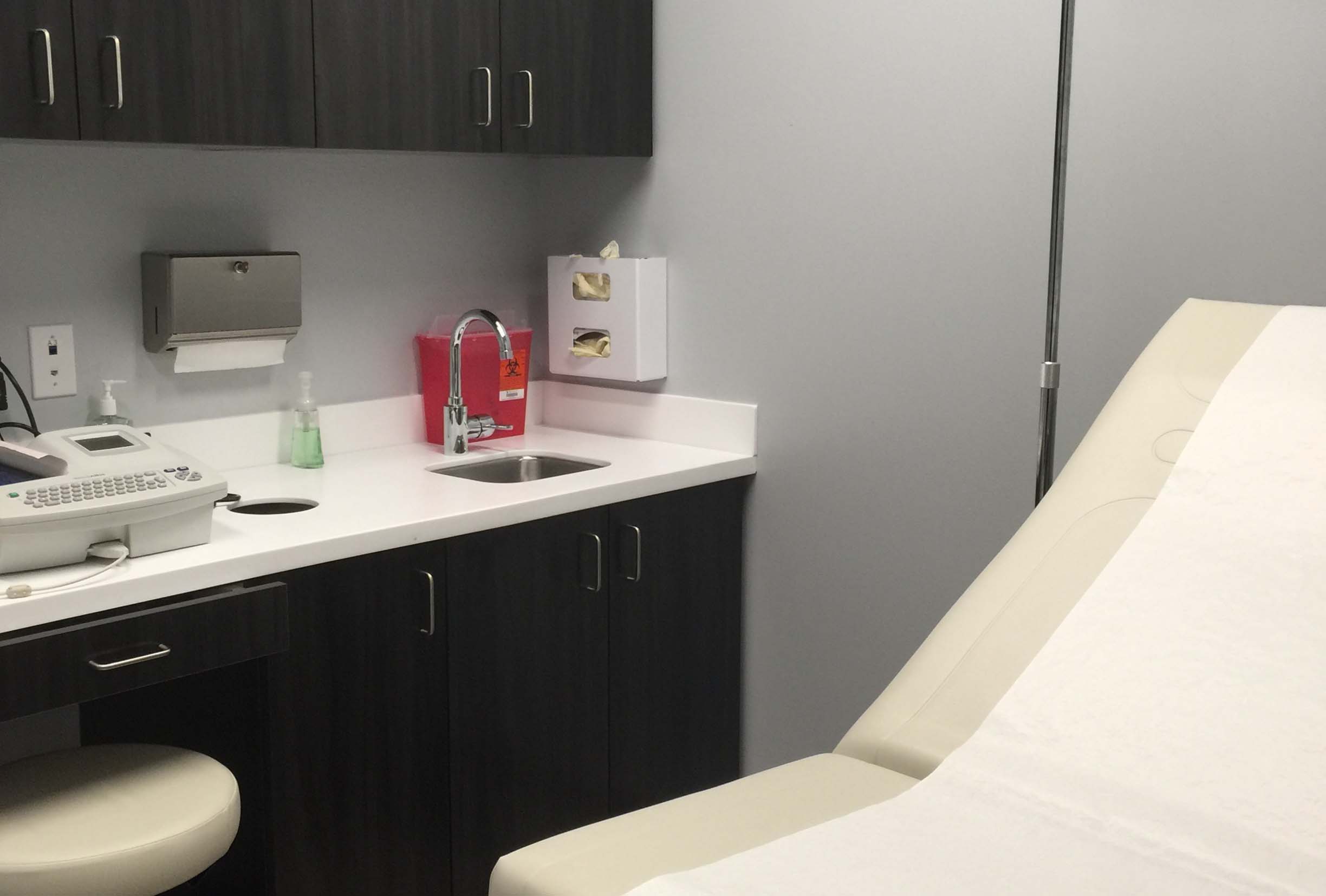
An electrocardiogram (EKG or ECG) is a test that records the electrical activity of the heart.
The heart works through electrical impulses. These signals control the rhythm and ensure that the heart muscle contracts properly to pump blood. An EKG shows how these signals travel through the heart and helps evaluate its function.
Many heart conditions develop gradually and may not cause clear symptoms for a long time. Because of this, an EKG is often used as a basic screening test, especially if you have not checked your heart recently or if this test has not been included in your annual physical.
An EKG May Be Recommended If You
- Have not had a heart evaluation in a long time.
- Have high blood pressure or diabetes.
- Have a family history of heart disease.
- Experience shortness of breath during everyday activities.
- Feel unusually tired without a clear reason.
- Notice swelling in your legs or ankles by the end of the day.
- Have fluctuating or difficult-to-control blood pressure.
- Experience dizziness, lightheadedness, or episodes of weakness.
- Wake up at night feeling short of breath or unable to get enough air
How Long Does an EKG Take
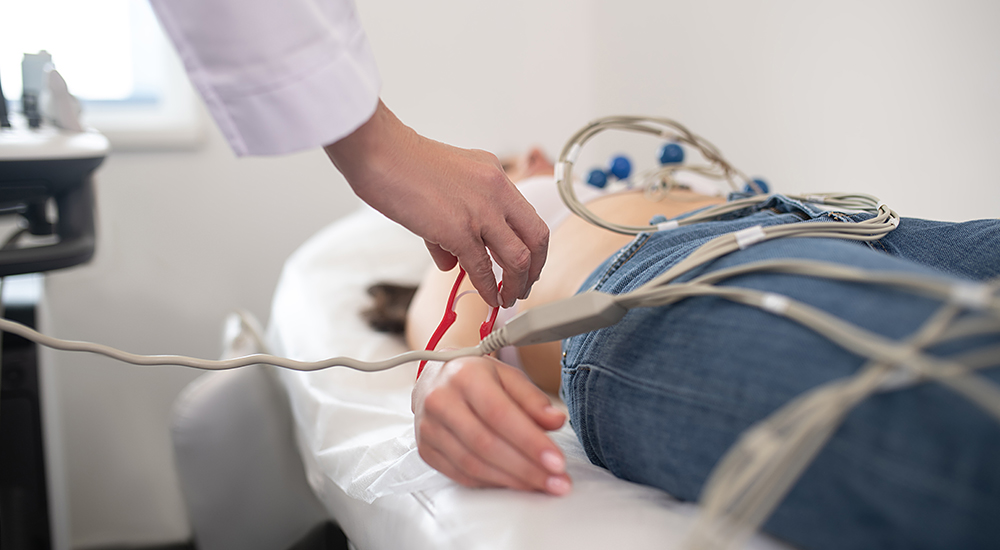
An EKG is performed in the office and usually takes about 10 to 15 minutes from start to finish.
During the test, small adhesive electrodes are placed on the chest, arms, and legs to record the heart's electrical activity. The recording itself takes only a few minutes while you remain still.
No special preparation is usually needed, and you can return to your normal activities after the test.
EKG and Echocardiogram Are Not the Same Test
Many patients think that an EKG and an echocardiogram are the same examination or that one can replace the other. In fact, these tests assess different aspects of heart health.
An echocardiogram shows the structure of the heart. It helps evaluate the size of the chambers, the condition of the valves, and how the heart muscle contracts. An EKG shows how the heart works electrically by recording its rhythm and how signals travel through the heart.
Because of this, a normal echocardiogram does not rule out rhythm or conduction abnormalities. These changes are detected with an EKG. In clinical practice, the two tests are often used for different purposes and may complement each other when a more complete evaluation is needed.
EKG and Wearable Heart Monitoring Devices
Wearable devices with ECG features can record brief heart rhythm tracings outside the clinic. This may be useful when symptoms appear occasionally and are not present during the visit.
At the same time, these recordings provide limited information. A smartwatch typically captures a single-lead tracing, while a clinical EKG uses multiple leads placed on the chest and limbs to evaluate heart rhythm and electrical conduction more completely.
For this reason, wearable ECG recordings may be helpful as дополнительная information, but they do not replace a standard EKG. If a device shows an abnormal reading or symptoms continue, evaluation in the clinic is still needed.
EKG Available at Buckhead Clinic
Walk-in visits are accepted, and appointments can also be scheduled online at a convenient time.
If you need evaluation or have ongoing symptoms, you can choose the option that works best for you and arrange a visit.
Related Links
Get Weekly Health Tips. Stay Healthy.
Our Doctors
Dr. Tim Nguyen

Medical Assistant
.png)
Ling [Last Name]
![Ling [Last Name]](/uploads/files/ling_(1).png)
Kristen Healy