

Every kid sometimes forgets their homework, gets distracted by something more interesting, or struggles to sit still. These moments are part of a normal childhood. But when these behaviors happen regularly and begin to affect daily life, it may be worth considering whether ADHD could be involved.
Attention Deficit Hyperactivity Disorder (ADHD) is not simply a “strong personality” or a “difficult” child. It is a medical condition that can affect how a child learns, builds friendships, and develops confidence. The earlier parents recognize the signs and seek professional guidance, the easier it is for a child to receive the support they need. In this article, you’ll learn what symptoms to watch for and how to understand whether your child’s behavior may be related to ADHD or falls within the range of typical childhood development.
Key Criteria for Assessing ADHD in Children
It's important for parents to understand that occasional bursts of energy or lapses in focus don’t automatically mean a child has ADHD. To consider ADHD as a possibility, the symptoms must meet specific criteria.
- Duration of Symptoms
ADHD signs need to persist for at least six months. Isolated incidents of inattention or hyperactivity, which may occur when a person is tired, excited, or experiencing strong emotions, are not enough to support a diagnosis. The behavior must be consistent over time.
- Intensity of Symptoms
The symptoms should be noticeably more intense compared to what’s typical for the child’s age and developmental stage. While it’s normal for kids to be active, ADHD hyperactivity goes beyond the usual range and affects a child’s ability to complete daily tasks.
- Consistency Across Settings
ADHD-related behaviors usually appear in several settings, not just at home or only at school. If your child shows the same difficulties in the classroom, during after-school activities, and at home, it may be a strong sign that it is time to consult a specialist.
- Impact on Daily Life
The symptoms should disrupt your child’s ability to function normally. Whether they cause academic issues, social challenges, or tension in family relationships, behaviors that lead to conflict, isolation, or declining performance are important red flags.
Three Categories of ADHD Symptoms
ADHD symptoms can be divided into three main categories: inattention, hyperactivity, and impulsivity. Each of these manifests differently, and understanding these differences will help you better understand what your child may be struggling with.
Inattention
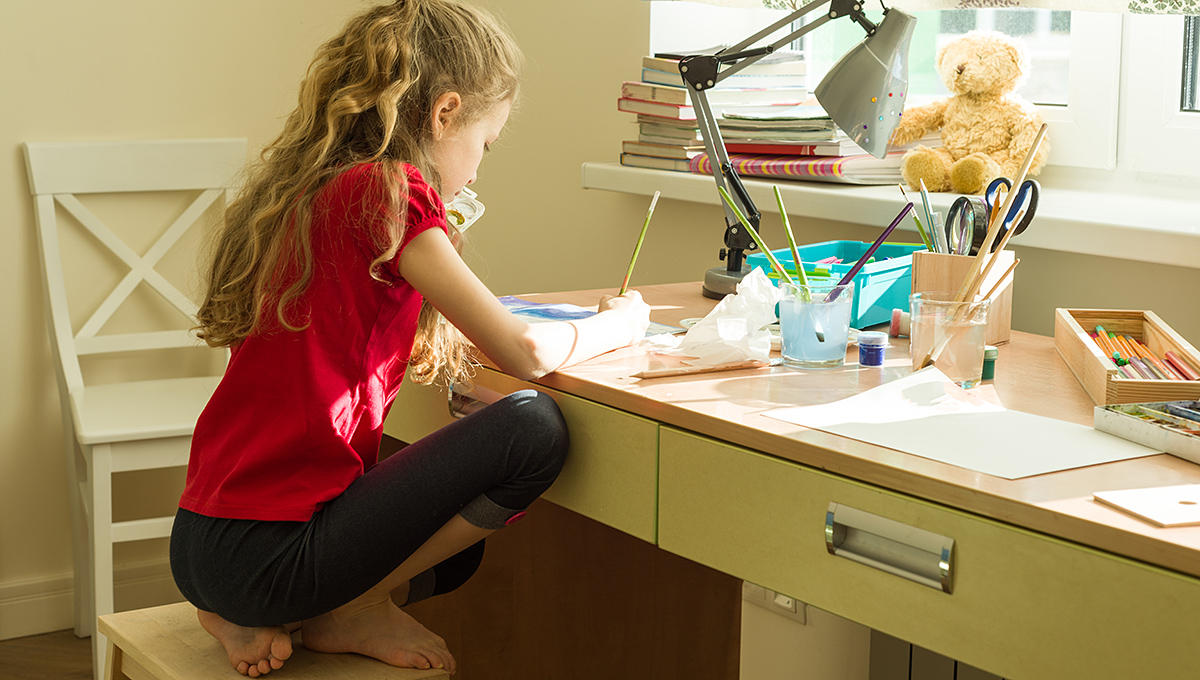
Inattention is not just forgetfulness or absent-mindedness. It's a condition in which a child has difficulty concentrating on a task, even if they are genuinely trying. Here's how it can manifest itself.
- Concentration problems: A child has trouble keeping his attention on one thing at a time, whether it's homework, playing a game, or reading. He or she quickly loses interest and becomes preoccupied with something else.
- Forgetfulness: A child often forgets things that need to be done, from running errands to keeping track of important items like school supplies or clothes.
- Mistakes due to inattention: Even simple tasks can lead to errors when a child is not paying proper attention. He or she may miss details or overlook the obvious.
What Should Parents Watch Out For?
If you notice that your child regularly loses things, fails to finish tasks, or often makes mistakes due to inattention, it may be a reason to seek professional advice. These signs should appear over a long period of time and in different situations.
Hyperactivity

Hyperactivity is more than just energy. It is a constant need to be on the move, even when surrounding circumstances call for calm.
- Constant movement: The child cannot sit still. He is constantly twisting, fidgeting, and getting up from his chair when others are sitting.
- Overactivity: In situations where quiet and concentration is required, such as in class or at the dinner table, the child keeps moving, talking, doing other things.
- Inability to engage in quiet activities: Activities that require persistence, such as reading or drawing, make the child uncomfortable. He or she prefers more active and moving games.
What Should Parents Be Concerned About?
If your child can’t stay seated for even brief periods, frequently disrupts structured environments, or shows excessive activity in situations that require calm, these could be signs of ADHD. If such behaviors persist for several months, it’s a good idea to consult a doctor for further evaluation.
Impulsivity
Impulsivity is the tendency to act without thinking, often leading to sudden actions with unexpected consequences.
- Difficulty waiting: Children with impulsivity struggle to wait their turn, whether it’s during a game or in a conversation. They may interrupt others, shout out answers, or constantly seek attention.
- Acting without thinking: Impulsive children might act before considering the risks. For example, they could grab a hot pan or dart into the street without regard for danger.
- Emotional swings: Rapid mood changes are common. Your child might go from happy to angry in an instant, leading to unexpected outbursts of aggression or sudden crying with little explanation.
What Should Parents Watch For?
In daily life, impulsive behaviors can stand out in various ways. Picture this: you're walking through a busy parking lot, and suddenly, your child dashes ahead without checking for moving cars. This kind of behavior, ignoring basic safety, is a clear warning sign.
Or imagine standing in line at the grocery store when your child grabs a candy bar and starts unwrapping it before you have even had a chance to pay. This does not happen because the child is hungry; it happens because they cannot resist acting on impulse.
Then there’s the issue of mood swings. One minute, your child might be crying because they didn’t get their usual seat at the dinner table, and the next, they’re laughing at a TV show. These emotional shifts can be overwhelming and hard to predict.
If these behaviors happen frequently and affect your child's ability to interact with others, it might be time to consult a professional. Repeated impulsive actions and emotional instability, especially when they occur across different settings like home, school, and public places, could point to ADHD.
How to Distinguish ADHD from Other Problems

Determining exactly what is causing a child's behavioral and emotional difficulties can be challenging. While ADHD is one of the most common disorders that children face, it is important to remember that there are other conditions that may show similar symptoms. The purpose of this article is to give parents a starting point for reflection and observation, so they can better understand when it's worth seeking professional help.
What Might ADHD Remind You Of?
- Lack of Sleep
If a child is sleep deprived, they have difficulty concentrating, remembering information, and managing their emotions. This may look like hyperactivity or inattention. Pay attention to how regularly and how well your child sleeps.
- Stress and Anxiety
Constant stress can cause behavioral and emotional changes in your child: angry outbursts, difficulty concentrating, and increased irritability. If your child is going through a rough patch, this may be the source of the problems, not ADHD.
- Vision and Hearing Problems
If a child doesn't see or hear well, they may not react correctly to their environment, or may not hear or see important things, causing errors and misunderstandings. This can be a reason why a child does not complete tasks or seems inattentive.
- Auditory Processing Disorder (APD)
Your child can hear you, but has difficulty understanding what you are saying. The result is problems with following verbal instructions and concentration. It can be easily confused with ADHD, but the approaches to correcting them are different.
- Sensory Perception Disorder
When a child misperceives sensory cues (sound, light, touch), his reactions may seem inadequate. For example, he or she avoids contact, refuses to perform tasks, or becomes overactive in inappropriate situations.
- Blood Sugar Imbalance
Hypoglycemia can cause irritability, difficulty concentrating and fatigue in a child. If your child behaves the same way after eating or skipping meals, the problem may be sugar levels, not ADHD.
- Thyroid Problems
Hormonal disturbances affect mood, memory, and concentration. These can resemble the symptoms of ADHD, but require a completely different approach to treatment.
- Anemia
Iron deficiency makes a child lethargic and irritable. It may manifest as inattention and impulsiveness, but the cause is a lack of energy.
Worried Your Child Might Have ADHD? Here’s What to Do Next

If your child’s behavior has you concerned, it’s important not to rush to conclusions. Inattention, hyperactivity, and impulsivity can signal various conditions, not just ADHD. Here’s a practical guide to help you navigate the situation.
- Pay Close Attention
Start by observing your child’s behavior and writing down when certain symptoms pop up. What triggers their inattention or restlessness? Keeping a journal can help you spot patterns and understand what’s really going on.
- Talk to Their Teacher
Teachers spend hours with your child in a structured environment, so they can provide a different perspective. Ask how your child behaves at school and compare it to how they act at home. Consistent behavior across different settings can be a key indicator.
- See a Doctor
If you are still unsure, schedule an appointment with your pediatrician. They can guide you to the appropriate specialist, such as a psychologist or another expert, who can provide a clear diagnosis and treatment plan.
Remember that only a qualified specialist can diagnose ADHD, and your careful attention as a parent is the first step toward finding the right support.
Final Thoughts
When it comes to your child's health, accuracy matters. Talking with your doctor can help you better understand what exactly is going on and formulate a specific request. If it appears that your child's behavior needs additional attention, we'll refer you to the right specialists.
If your child has already been diagnosed with ADHD, the Buckhead Clinic is here to offer continued support. Whether it’s renewing prescriptions or providing guidance, we’re ready to help you navigate the next steps. Schedule a consultation today to get all your questions answered and find the best care plan for your child.