

When Bloating is Harmless, and When You Should See a Doctor
Bloating is very common. Up to 20% of people experience it, but they rarely see a doctor about it. More often than not, they try to manage it on their own. They change their diet, take medications for gas, and wait for it to go away.
In most cases, bloating is not dangerous and goes away on its own. But if it recurs and is not linked to obvious causes, it’s worth paying attention to. Sometimes, diet isn’t the only factor behind this symptom.
In such cases, it’s important not to wait, but to assess whether there are any additional signs.
- bloating happens almost every day or keeps getting worse
- your abdomen becomes noticeably enlarged and stays that way
- you have pain or strong discomfort
- constipation or diarrhea lasts longer than two weeks
- you notice blood in your stool or your stool turns black
- you lose weight without trying
- nausea or vomiting does not go away
Symptoms like these are a reason to see a doctor. You can come in for a walk-in appointment or schedule an appointment in advance at a time that’s convenient for you.
What Is Bloating?
Bloating is a feeling of fullness, pressure, or tightness in the abdomen. Sometimes the belly also looks visibly larger.
Most often, bloating happens when gas builds up in the digestive tract or does not move through the intestines as easily as it should. But gas itself is normal. Everyone has gas in the intestines. It is a regular part of digestion.
Some gas leaves the body naturally. Some is absorbed into the bloodstream and eventually released through breathing. When this process works smoothly, you usually do not notice it.
Discomfort starts when there is too much gas, when it moves slowly, or when the intestines become more sensitive to normal amounts of gas. This can cause pressure, rumbling, cramping, or a heavy feeling in the abdomen.
Is It Bad to Hold in Gas?
Almost everyone has been in this situation. You feel pressure in your abdomen, but the timing is awkward, so you tighten your muscles and try to hold it in.
Doing this once in a while is not dangerous. The gas does not disappear. Part of it may be absorbed and released through breathing. The rest will pass later.
The problem is the pressure inside the intestines. When gas stays trapped, bloating, rumbling, and discomfort can become stronger. Some people may also feel cramping or sharp, shifting pains.
If it happens occasionally, the body usually handles it without consequences. But when holding in gas becomes a habit, symptoms may become more noticeable. Bloating can happen more often. The abdomen may feel heavy after meals. Cramps and discomfort may last longer than usual.
Causes of Bloating
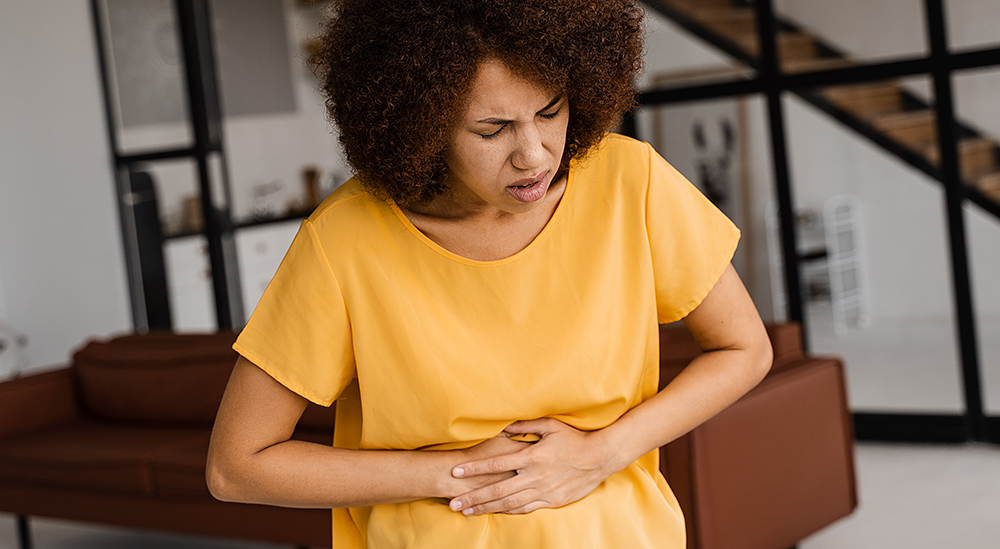
Bloating isn’t always caused solely by food. More often, it’s a combination of several factors.
- Constipation
The intestines don’t empty completely or as often as they should. Waste remains in the intestines, and gas builds up. The abdomen becomes firm and swells by the end of the day.
- Hormonal Fluctuations
Hormone levels change before menstruation and during the first days of the cycle. Fluid is retained, and bowel function changes. Some people become prone to constipation, while others experience more frequent bowel movements. Bloating is possible in both cases.
- Swallowing Air
You eat quickly, talk while eating, drink through a straw, chew gum, or frequently drink carbonated beverages. More air enters the system than the intestines can process. This leads to a feeling of fullness and belching.
- Impaired Intestinal Motility
The intestines work more slowly than they should. Gas does not move through the system well and gets trapped. This can occur with IBS, diabetes, after surgery, or with a sedentary lifestyle.
- Excessive Bacterial Growth
There are more bacteria in the small intestine than there should be. They actively break down food and produce gas. Bloating occurs even with a normal diet.
- Imbalance in The Gut Microbiota
The composition of bacteria in the gut changes. Fermentation intensifies, and gas production increases. This often occurs after taking antibiotics or with irregular eating habits.
- Food Intolerance
Lactose, gluten, and fructose may not be digested properly. Food reaches the intestines undigested and becomes a substrate for bacteria. Bloating occurs regularly after eating the same foods.
- Enzyme Deficiency
The pancreas produces fewer enzymes. Food is not fully digested. Fermentation and gas production occur.
- Supplements and Medications
Iron, certain blood pressure medications, antidepressants, and pain relievers can cause bloating as a side effect.
- Pelvic Floor Muscle Issues
The muscles do not relax when attempting to empty the bowels. Gas and stool are retained. This often occurs after childbirth.
- Stress
The connection between the intestines and the nervous system is disrupted. Sensitivity and motility change. Even a normal amount of gas begins to feel like bloating.
- Infections and Inflammation
Gastritis, enteritis, and viral infections may be accompanied by bloating. There are usually other symptoms as well.
- More Serious Causes
Bloating can accompany diseases of the intestines, pancreas, and, in rare cases, tumors of the abdominal organs.
Therefore, the same symptom can have different causes. This is precisely why there is no universal diet for bloating.
How to Relieve Bloating
If bloating happens only once in a while and you do not have other symptoms, it is often related to food, eating habits, constipation, or daily routine. In many cases, simple steps can reduce gas buildup and help the discomfort pass faster.
Over-the-Counter Options
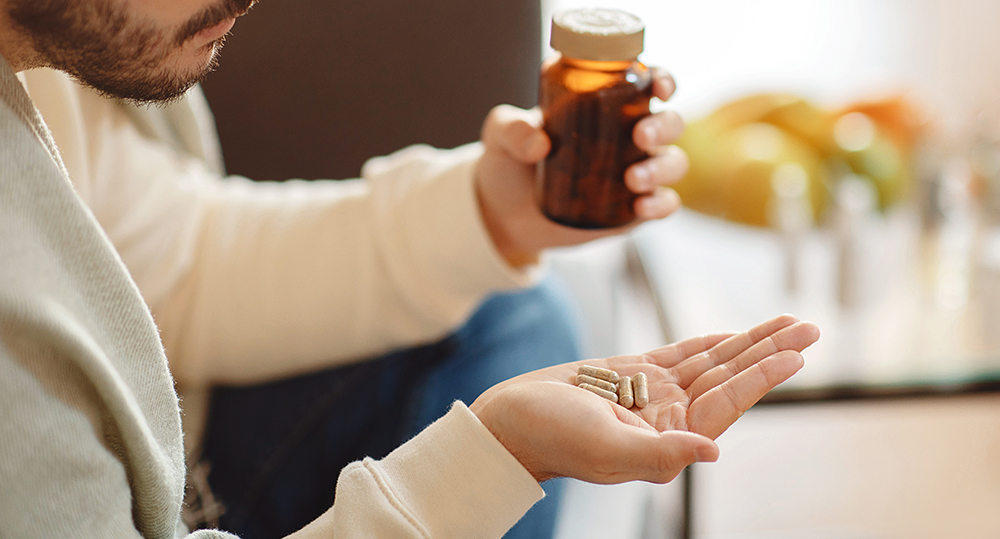
Some people try nonprescription products for occasional bloating. These products may help in specific situations, but they do not work the same way for everyone because bloating can have different causes.
If symptoms are mild and happen only once in a while, this may be enough for short-term relief. If bloating keeps coming back or you are not sure what is causing it, it is better to discuss your symptoms with a healthcare provider instead of trying different products one after another.
What to Eat When You Feel Bloated
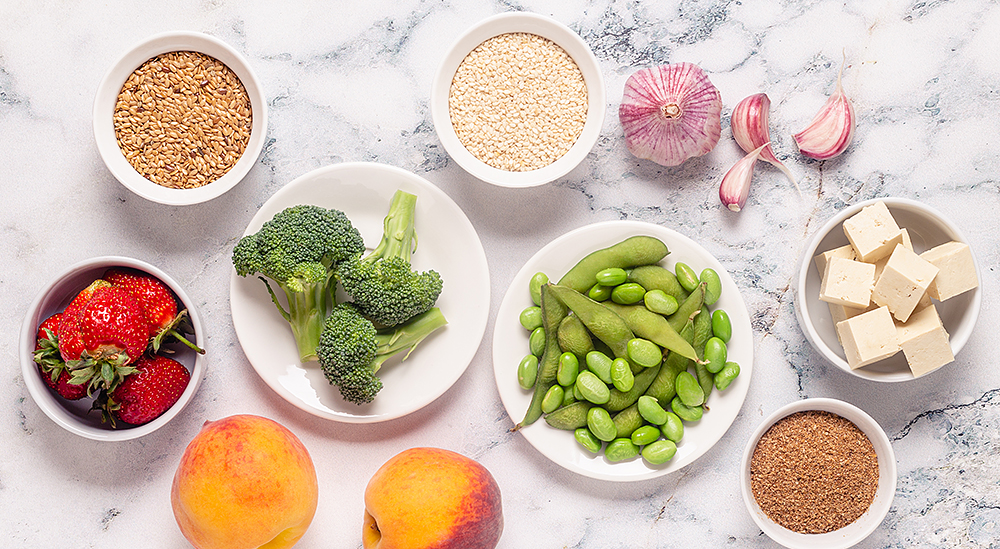
When you feel bloated, you usually do not need a strict diet. A better approach is to watch how your body reacts to different foods and identify your personal triggers.
Some foods are more likely to cause bloating because they ferment in the gut, add extra gas, or are harder for the body to digest.
| Foods | Why they may cause bloating |
|---|---|
| Beans, lentils, cabbage, broccoli, onions | They contain carbohydrates that gut bacteria ferment, which can increase gas production. |
| Sweets, sugar, syrups | They may increase fermentation in the intestines, especially when eaten in large amounts. |
| Carbonated drinks | They already contain gas, which can add pressure and fullness in the abdomen. |
| Foods with sorbitol or xylitol | These sugar alcohols are not fully absorbed in some people and can lead to gas and bloating. |
| Milk | For people with lactase deficiency or lactose intolerance, milk can cause gas, bloating, and discomfort. |
| A sudden increase in fiber | The gut may not have enough time to adjust, so gas and bloating can temporarily increase. |
Try to make the process easier for yourself. You do not need to figure out every possible trigger at once. Start with a few of the most likely causes and remove them for several days. For example, you can cut out carbonated drinks, sweetened beverages, or large amounts of sweets.
Give it 3 to 5 days and notice how your body responds. If you feel better, you are already moving in the right direction.
If bloating is strong, frequent, or persistent, a low FODMAP diet may be used. This is not meant to be a permanent diet. It is usually followed for 4 to 6 weeks, and then foods are gradually added back. The goal is not restriction. The goal is to find out which foods your body reacts to.
Which Foods Are Less Likely to Cause Bloating?
Some foods produce very little gas and are usually easier for most people to tolerate. They can be a good starting point when you are trying to calm bloating or figure out which foods trigger your symptoms.
Foods that are less likely to cause bloating include:
- rice
- eggs
- chicken or turkey
- fish
- oats
- bananas
- plain yogurt
- aged cheeses
- peanut butter without added sugar
- white bread or sourdough toast
This does not mean these foods work for everyone. Plain yogurt may still cause symptoms in people with lactose intolerance, and wheat bread may not be a good choice for people with gluten sensitivity or celiac disease. But in general, these foods are less likely to cause gas than beans, carbonated drinks, sugar alcohols, or large amounts of raw vegetables.
Final Thoughts
Gas is a normal part of how the intestines work. Everyone has it, and in most cases, it doesn’t require treatment.
An unpleasant odor also doesn’t mean there’s something wrong with your body. Most often, it reflects how food is being digested at that moment.
But if bloating becomes regular, worsens, starts to affect daily life, or other symptoms appear, this is a serious sign. In such cases, it’s important not to mask the problem but to address the cause.