

Home Medicine Cabinet Essentials: What You Really Need (and What to Skip)
Disclaimer: This article is for informational purposes only and does not offer medical advice, diagnosis, or treatment. Always consult with your healthcare provider before starting any new medication, supplement, or treatment. Everyone’s health needs are different, and only your doctor can tell you what’s right for you. Never ignore or delay seeking medical care because of something you read online.
We all have that shelf or drawer, the one packed with half-used cold medicine, expired allergy pills, and a bottle of cough syrup from some time you cannot even remember. Or maybe you have taken the opposite approach and assumed that one basic pain reliever will cover everything.
The truth is that neither strategy works when real symptoms appear.
With too many medications, you end up digging through clutter, duplicate products, old prescriptions, and mystery pills with no label. With too few, you find yourself rushing to the pharmacy at ten at night for something you wish you already had at home.
A good home medicine kit isn’t about over-prepping or under-planning. It’s about being smart.
It should be simple, organized, and stocked with things you will actually use, with no extra clutter and no expired leftovers.
So what should you keep on hand? The answer starts with real-world data about what people actually visit urgent care for. Once you know that, building your home medicine cabinet becomes much easier.
Here’s a Practical Framework
-
Common needs include cold and flu medicine, fever reducers, and pain relievers.
-
Occasional needs include help with sudden blood pressure changes, ear infections, urinary tract infections, and flare-ups of chronic conditions.
-
The rare but urgent needs include burns, cuts, sprains, and other accidents.
Start with what’s most likely to happen. Build from there. And leave the rest out.
Cold, Flu, and Respiratory Illness: What to Keep on Hand
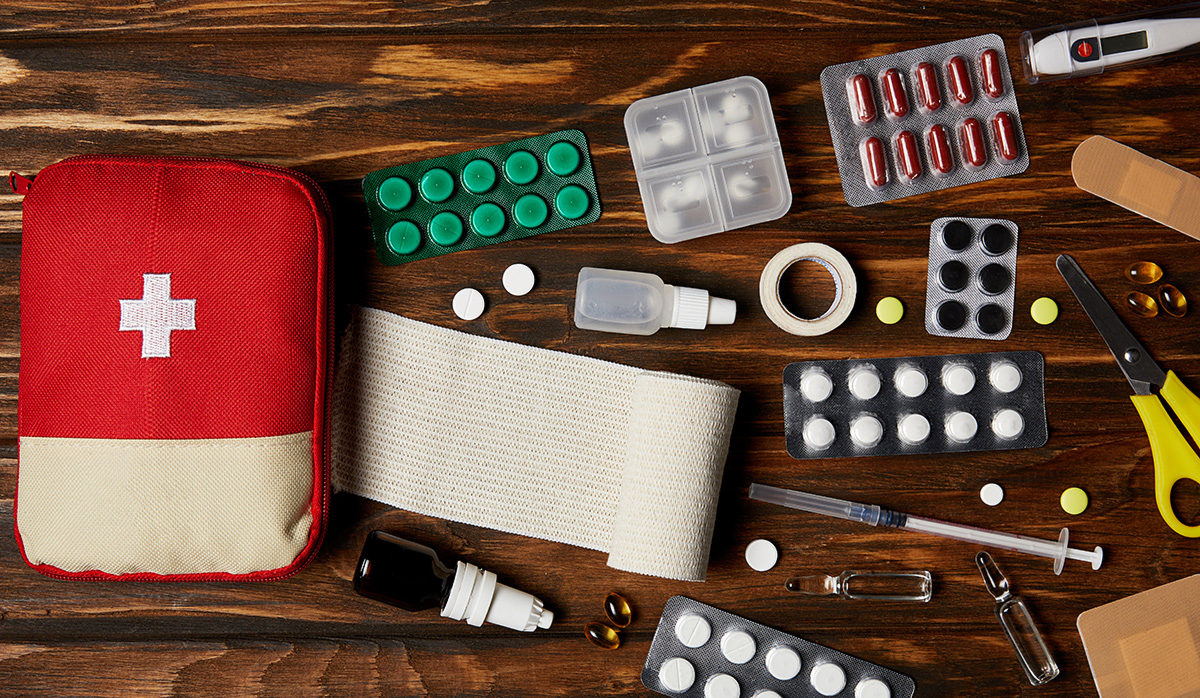
Fever, body aches, sore throat, headaches, chills, and a stuffy or runny nose are the symptoms that most often appear, usually at the worst possible time. When you have the right medications at home, you can start feeling better faster without scrambling to find an open pharmacy.
Pain Relievers and Fever Reducers
Pain relievers and fever reducers can be useful for fever, sore throat, body aches, muscle pain, joint pain, and headaches.
Choose products based on your age, health history, other medications you take, and your doctor’s advice. Always read the label and avoid taking multiple products with the same active ingredient at the same time, especially combination cold and flu products.
An important safety note: it is easy to accidentally take too much of the same active ingredient when using flavored powders, syrups, or combination cold and flu products. Always read the label, follow the dosing instructions, and avoid taking more than one product with the same ingredient at the same time.
Antispasmodics (Optional but Helpful)
These are not meant for fever or inflammation, but if your pain feels like cramping, such as stomach discomfort or throbbing headaches, an antispasmodic may help. Some people combine it with a standard pain reliever for better results.
A Reliable Thermometer
A simple digital thermometer is often the most practical choice for home use. It is accurate and works well for checking temperature under the tongue or in the armpit. Contactless thermometers can be quick and convenient, but they are usually less precise. If you plan to use one, test it on yourself beforehand to make sure you can trust the readings.
Nasal Sprays and Decongestant Drops
When nasal congestion makes it hard to breathe, especially at night, decongestant sprays or drops can offer quick relief. They are particularly helpful when swelling prevents sleep or makes it difficult to clear mucus.
They should be used only when truly necessary. If you can still breathe through your nose, saline rinses are a gentler first step.
Use with caution. Decongestant sprays are meant for short-term use. Using them for more than three to five days in a row can lead to rebound congestion and worsening symptoms.
At-Home Diagnostic Tests
Rapid home tests can help you decide whether it is time to call your doctor, especially when symptoms are severe or unusual. While they are not always 100% accurate, these tests can still provide helpful guidance.
Here are the basics to keep on hand:
- flu test
- COVID-19 test
- strep throat test
- urinary tract infection (UTI) test strips
If you’re feeling really unwell and any of these tests come back positive, don’t wait—schedule a visit with your healthcare provider.
Allergy Relief: What Belongs in Every Home Medicine Kit
There is no such thing as a one-size-fits-all medicine cabinet. We all have different needs, including chronic conditions, food sensitivities, or a tendency to react to new products. If your doctor has prescribed anything you need to take during flare-ups, make sure it's always stocked at home. They may not appear on a basic list, but they are essential for you.
Antihistamines: Always Good to Have
Even if you have never been formally diagnosed with allergies, it may be useful to discuss allergy medication options with your healthcare provider. Some people keep a non-drowsy antihistamine at home for occasional allergic reactions, especially if they have a history of seasonal allergies, hives, or reactions to insect bites.
You might need one unexpectedly—often when you least expect it. For example:
- sudden itching or redness after eating something new
- a rash after using a new skincare or cleaning product
- swelling or discomfort from an insect bite
- hives that show up out of nowhere
Antihistamines can also be helpful during respiratory infections, especially when nasal congestion or throat swelling is triggered by inflammation. Still, check with your doctor before using allergy medication for cold or flu symptoms.
Anti-Itch Creams
Topical anti-itch products can be helpful for bug bites, mild rashes, or irritation after contact with a new product. Choose these products carefully, especially for children, sensitive skin, large areas of irritation, or rashes near the eyes or face. If the rash spreads, becomes painful, shows signs of infection, or does not improve, contact your healthcare provider.
Digestive Issues and Dehydration: What to Keep on Hand
Upset stomachs happen—whether from food poisoning, a stomach bug, or a side effect of antibiotics. The main priority? Prevent dehydration. Vomiting and diarrhea can quickly deplete your body of fluids and electrolytes, which may lead to weakness, dizziness, or more serious complications.
Oral Rehydration Solutions (ORS)
As soon as symptoms start, begin drinking fluids that replace both water and electrolytes. Oral rehydration powders or ready-to-drink solutions like Pedialyte or DripDrop are ideal. These help the body retain fluid better than plain water or sports drinks.
Probiotics (Optional but Helpful)
Probiotics are not medications. They are supplements that help restore the balance of good bacteria in your gut. They are often recommended when diarrhea appears after a course of antibiotics or during mild digestive infections to support recovery.
Look for refrigerated or shelf-stable probiotic capsules or sachets that contain multiple strains, such as Lactobacillus or Bifidobacterium.
Activated Charcoal or Other Binders
Binders such as activated charcoal or smectite-based products (available over the counter in some countries) may help reduce symptoms of mild food-related discomfort. While they won’t stop the illness, they can help bind toxins in the gut and reduce symptom intensity.
These are not essential, but they’re worth keeping as an optional tool in your home kit.
Remedies for Mild Nausea
For minor nausea or queasiness, keep gentle remedies on hand:
- Ginger chews or tea
- Anti-nausea wristbands (acupressure-based)
- Soothing syrups designed for stomach upset
These can help take the edge off mild symptoms and are especially useful when traveling.
When to Call the Doctor
If vomiting persists, a fever develops, or you experience signs of dehydration like dry mouth, dizziness, or worsening fatigue, don’t try to push through it alone. These symptoms may need medical evaluation, especially for children, older adults, or anyone with a chronic health condition.
Treating Minor Cuts, Scrapes, and Burns: What to Keep in Your First Aid Kit
Life happens, and that means the occasional cut, scrape, or minor burn. Having the right supplies at home can help you take care of these everyday injuries quickly and safely.
Cleaning the Wound
The first step in treating any skin injury is proper cleaning. Here’s what works best:
- Sterile saline solution. This is gentle, non-irritating, and safe for even sensitive skin. It’s great for rinsing out dirt and debris.
- Benzalkonium-based antiseptics. Mild and effective, these can be used for minor scrapes, small cuts, or first-degree burns.
- Povidone-iodine solution. Stronger antiseptics are used occasionally for dirty wounds. Use sparingly and avoid if you have sensitive skin.
- Avoid using rubbing alcohol or hydrogen peroxide directly on open wounds. These can damage healthy tissue and slow healing. They’re better suited for disinfecting tools or cleaning the skin around a wound—not the wound itself.
Antibiotic Ointments
After cleaning, apply a thin layer of over-the-counter antibiotic ointment, such as Neosporin or Polysporin. These help reduce the risk of infection, especially for cuts, scrapes, or insect bites. Always cover the wound afterward with a clean bandage.
First Aid Tools to Have on Hand
Make sure your kit includes the basics.
- Tweezers. For removing splinters, glass shards, or stingers. Go for a stainless steel pair with pointed tips.
- Rounded-tip scissors. Safe for cutting gauze, tape, or clothing near a wound.
- Sterile gauze pads. Used to stop bleeding, dry a wound, or cushion under a bandage. Individually wrapped gauze is best—it’s lint-free and won’t stick to skin.
- Adhesive bandages (Band-Aids). Stock a variety pack with different sizes and shapes (regular, round, fingertip) to cover small injuries.
- Rolled gauze or bandages. For wrapping larger wounds or securing gauze.
Burn Care Basics
Minor burns, including those caused by hot water, sun exposure, or brief contact with a hot surface, can often be treated safely at home if you act quickly and use the right products.
Cool and Soothe the Skin
The first step in treating a minor burn is to cool the area to prevent further tissue damage. Rinse the burn under cool, not cold, running water for 10 to 15 minutes if you can. After that, apply a soothing gel or pure aloe vera to reduce pain, calm inflammation, and support healing. Avoid using ice or very cold water, as they can further irritate the skin.
Use Hydrogel Burn Pads
For added comfort and protection, consider keeping hydrogel burn dressings in your first aid kit. These dressings are:
- Cooling products help reduce heat and ease pain.
- Protective products create a barrier that keeps out dirt and bacteria.
- Healing-friendly products keep the wound moist, which supports faster recovery.
Hydrogel pads are non-stick, individually wrapped, and easy to apply—ideal for small burns and mildly irritated skin. They’re especially helpful for burns on areas that rub against clothing or are difficult to keep covered.
Medication Expiration: What You Don’t Use Can Still Be Harmful
Expired medications are not just ineffective. They can also be unsafe. Over time, a drug's chemical makeup can change, reducing its potency and even making it harmful.
Why It Matters
Taking expired medications can lead to several problems. You may not receive the treatment you need, you may face unexpected side effects, and you might be keeping products that can become toxic, especially liquids, creams, or anything that has already been opened.
Simple Rule: Check Every 3 Months
Do a quick medicine cabinet clean-out at the start of each new season. Remove anything that is:
- expired
- missing a label or expiration date
- already opened and past its shelf life
How to Stay on Top of It
- Label packages with the date you opened them.
- Track expiration dates in a notes app, spreadsheet, or physical checklist.
- Set reminders on your phone, or use apps such as Medisafe, MyTherapy, or CareClinic to help you stay organized.
When in doubt, throw it out. If there is no label, no date, or you are unsure, it is better not to take the risk.
How to Store Your Home Medicine Kit
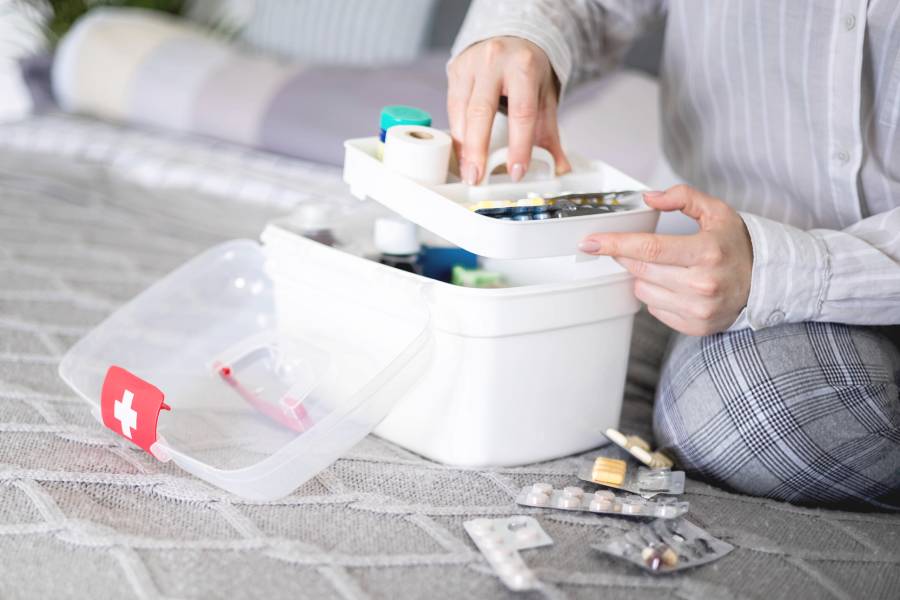
Proper storage is not only about organization. It is also about keeping medications safe, effective, and ready when you need them.
Store it Cool, Dry, and Dark
Keep your medicine kit in a dry, dark place, away from heat sources or direct sunlight. A hallway closet or bedroom cabinet often works well.
Avoid bathrooms and kitchens. Humidity and temperature fluctuations can degrade medications more quickly and damage packaging.
For Medications that Need Refrigeration
If a product requires cold storage, keep it on the top shelf of your refrigerator and place it in a clear, sealed container away from food. Label it clearly so it is easy to find, and so no one grabs it by mistake.
Keep it Out of Reach of Children
Even vitamins, cough syrup, or topical creams can be dangerous in the wrong hands. If you have children in the house, keep your medicine kit in a lockable container or on a high shelf, well out of reach.
Group Items by Category
Organize your kit by purpose to save time in an emergency. For example:
- fever & pain relief
- allergy meds
- first aid & bandages
- digestive care
- cold & flu essentials
Use zip bags, clear bins, or small drawer organizers to keep everything sorted and visible.
Keep it Tidy and Up to Date
- mark opened packages with the date you first used them
- toss anything expired or questionable
- the fewer unknowns, the safer your kit
Final Thoughts
A well-stocked home medicine kit doesn’t need to be fancy or expensive. But it does need to be thoughtful, organized, and tailored to your household’s real needs.
Think of it as a quiet form of self-care: one that saves time, money, and stress when it really matters.