
Lump, Pain, or Blood? Here Is How to Handle Hemorrhoids
Let’s get this out of the way: hemorrhoids aren’t shameful.
They’re incredibly common in adults, teens, and yes, even kids. Athletes get them. So do truck drivers, office workers, and stay-at-home parents. If you’ve got a body and a bathroom, hemorrhoids can happen.
The biggest mistake? Ignoring the symptoms and hoping they’ll go away.
A lot of people put off seeing a doctor, thinking the pain or bleeding will just stop. Meanwhile, they live with months of discomfort, itching, and the anxiety of spotting blood in the toilet.
Here is the key takeaway. If you notice a lump near the anus or see blood on the toilet paper, it is important to schedule a medical checkup. The cause may not be hemorrhoids, but in most cases, it still requires professional evaluation and proper treatment.
What Hemorrhoids Really Are
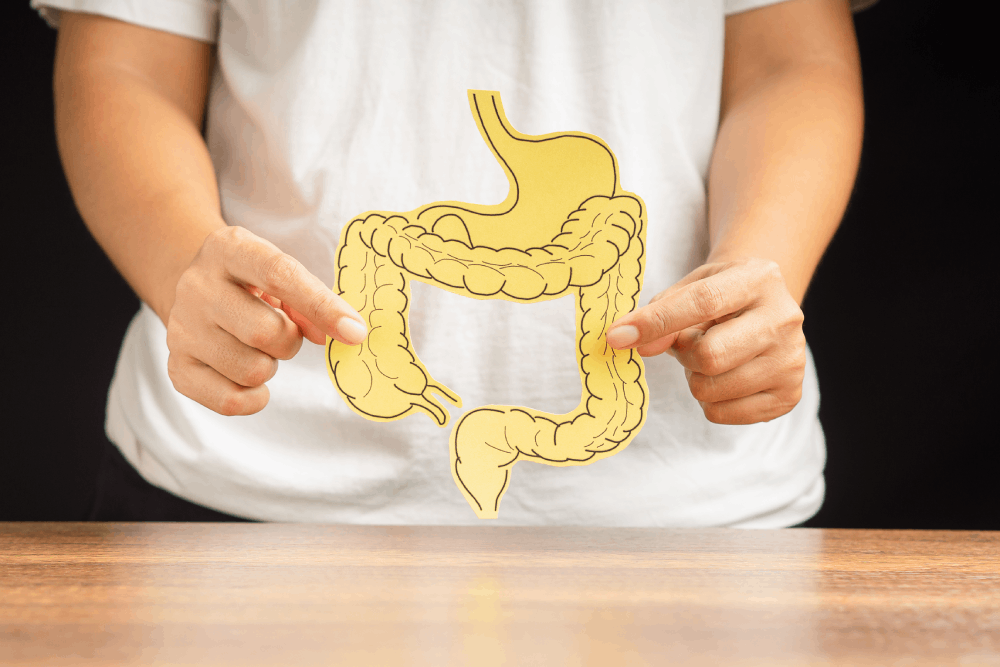
Hemorrhoids are often described as “varicose veins in the rectal area,” but this explanation is overly simplified. In reality, they are normal vascular structures that play an important role in maintaining continence. Problems arise only when these tissues become enlarged, inflamed, or symptomatic.
We’re all born with hemorrhoidal tissue. It’s a normal part of the body, made to help seal the anal canal and support control during bowel movements. When everything’s working as it should, you don’t even know it’s there.
When that tissue becomes overwhelmed and too much blood flows in while not enough flows out, it starts to swell. The pressure builds, the tissue stretches, and that is when you begin to notice symptoms like bleeding or a small bulge.
Hemorrhoids are not made of veins alone. They include arteries, connective tissue, and muscle fibers, forming a delicate structure that can easily fall out of balance.
And no, men and women don’t experience hemorrhoids differently. The symptoms are the same. The only exception? Pregnancy and childbirth, which can increase pressure in the pelvic area and make hemorrhoids more likely.
What Do Hemorrhoids Feel Like?
Symptoms can vary depending on where the hemorrhoids are located, either inside the rectum or outside near the anus, and also on whether the condition is flaring up or more long-term. There are two main types: acute and chronic. Here is what that means.
Acute Hemorrhoids: When Pain Hits Fast
An acute hemorrhoid usually comes on suddenly and is often linked to an external lump. It can happen after straining during a bowel movement, lifting something heavy, or any activity that puts pressure on the lower abdomen.
Here is what happens. A blood vessel inside the hemorrhoidal tissue weakens under pressure, almost like a bulge forming in a car tire. Blood rushes in but cannot drain back out because the stretched tissue collapses on itself. A clot forms, the lump grows, and the pain increases quickly.
This lump can feel firm, turn purple, and make it difficult to sit, walk, or even move comfortably.
If this happens, do not wait. A doctor should examine it as soon as possible.
Chronic Hemorrhoids: Slow and Persistent
Chronic hemorrhoids develop gradually. For some people, they barely cause any trouble. For others, they come and go in cycles, flaring up from time to time.
These are the most common symptoms:
- A small lump or swelling near the anus
- A feeling of pressure or fullness in the rectum
- Blood on the toilet paper or in the bowl, usually without pain
- A sensation that you didn’t fully empty your bowels
- Mucus or light staining on underwear, particularly when internal hemorrhoids begin to protrude a little
And sometimes? There are no symptoms at all. Some people discover they have hemorrhoids only during a routine checkup. A doctor can spot internal ones using a simple tool called an anoscope.
Important: No pain doesn’t mean no problem. Silent hemorrhoids can still lead to complications if left untreated.
When to See a Doctor
If you notice a lump, bleeding, itching, or something pushing out after using the bathroom, do not ignore it, even if it does not hurt. The sooner you have it checked, the easier it is to treat.
Is Hemorrhoids Something to Worry About?
Good news: hemorrhoids are not cancer, and they don’t turn into cancer. They aren’t life-threatening either.
The real concern is the discomfort and the risk that the condition will worsen if it is ignored.
When hemorrhoids are not treated, they can gradually become more severe. The swollen tissue may start to bulge more often, become harder to push back in, and lead to more frequent pain or bleeding. Catching the problem early makes it much easier to manage.
Mild or moderate cases often improve with non-surgical care, dietary adjustments, and simple lifestyle changes. Even in more advanced situations, symptoms can often be managed without surgery, especially when the underlying causes are addressed.
Surgery is usually considered only when the hemorrhoids become difficult to manage, when they stop retracting on their own, and seriously interfere with daily life. In most situations, you can get everything under control long before it reaches that point.
First Aid for Hemorrhoid Flare-Ups
If you suddenly feel a painful lump, swelling, or burning near your anus, there is a good chance you are dealing with an acute hemorrhoid flare-up. Here is what you can do right away to feel better, even before you see a doctor.
Apply Cold
Use a cold compress for 10–15 minutes to reduce swelling and numb the area. You can use a clean cloth soaked in cold water or a wrapped ice pack. Repeat several times a day as needed.
Try a Cool Shower
No time for a compress? A quick shower with cool (not icy) water, aimed at the area, can help relax the tissues and reduce inflammation.
Pain Relief
If sitting or walking is uncomfortable, talk with your doctor about safe pain relief options, especially if you take other medications, have chronic health conditions, are pregnant, or have a history of stomach, kidney, liver, or heart problems.
Practice Gentle Hygiene
Wash the area with cool or lukewarm water. Do not use soap or anything with fragrance. Avoid scrubbing and skip dry toilet paper. Choose unscented moist wipes or fragrance-free baby wipes instead.
Don’t Strain on the Toilet
If your stool feels too hard, avoid forcing it. Talk with your doctor about safe ways to make bowel movements easier.
See a Doctor Soon
Pain and swelling are usually at their worst during the first three to five days. The sooner you get medical care, the faster you will heal, and the better your chances of avoiding surgery.
What Causes Hemorrhoids?
First, let us clear up a common myth. Hemorrhoids are not inherited, and they do not lead to cancer. They are mostly side effects of modern life, with too much sitting, too little movement, and bathroom habits that do not match how our bodies are meant to work.
Let us be honest. Your bathroom is not helping.
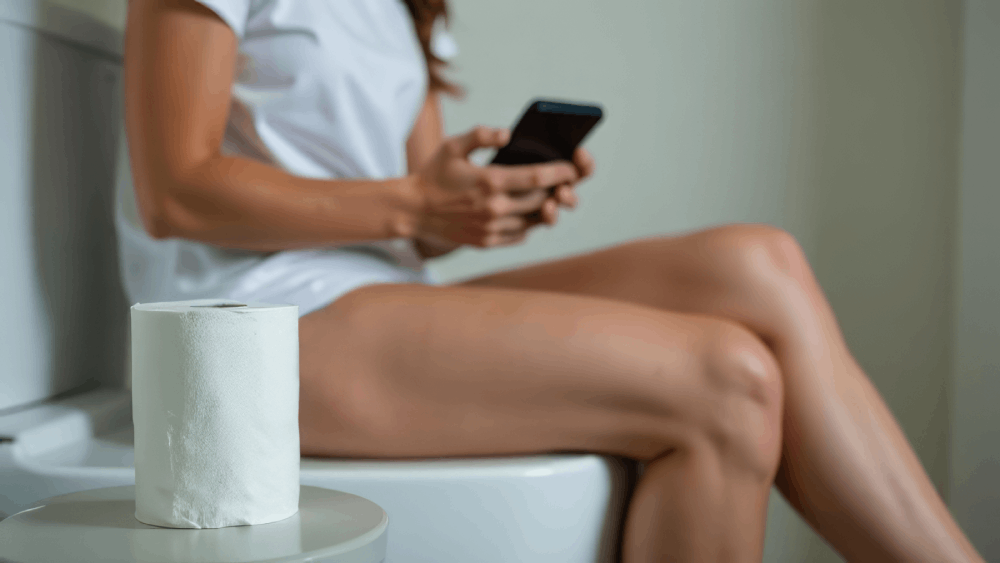
In an ideal world, we’d all be squatting when we poop. That position helps straighten out the rectum and makes bowel movements smooth and strain-free. But most of us sit hunched over a toilet, phone in hand, creating pressure in all the wrong places.
Now, let us look at what actually causes hemorrhoids to develop or flare up.
- Chronic Constipation and Straining
This is one of the strongest triggers. When you strain during a bowel movement, pressure builds inside the abdomen. That pressure stretches the blood vessels in the rectum. With time, the tissue gives way and a hemorrhoid forms.
- Lifting Weights the Wrong Way
Exercise itself is not the issue. The problem is how you breathe and brace while lifting. Holding your breath, tightening your core, especially the anal muscles, and bearing down during heavy lifts can send a sudden surge of blood to the hemorrhoidal area and cause a flare-up.
- Pregnancy and Childbirth
Pregnancy puts constant pressure on the pelvis. And labor? It’s the ultimate straining session. Together, they create the perfect storm for hemorrhoids, especially if the tissue is already weakened.
- Diarrhea
Yes, even loose stools can lead to hemorrhoids. It is not because of cramps but because the anal area becomes irritated. Frequent trips to the bathroom inflame the tissues, disrupt blood flow, and make it harder for the area to heal. Many people also end up straining due to urgency, which creates the same problem, but in a different way.
- Long Travel and Sedentary Jobs
Truck drivers, pilots, and desk workers, as well as anyone who sits for long periods, face a higher risk. When you sit too much, blood can pool in the lower body, especially around the pelvis and rectum. Poor circulation in that area creates ideal conditions for hemorrhoids to develop.
How to Prevent Hemorrhoids (and Keep Them from Coming Back)
Your anus deserves the same care as your heart or stomach. Really. If you sit a lot, lift weights, or deal with digestive issues, a few small habits can make a big difference.
Here is what works and how to make it part of your routine.
Stay Regular Without Straining
A soft and regular bowel movement is your best protection against flare ups. Try to go once a day, and do not force it in any sense. If you have not gone in a few days and things feel backed up, avoid straining. Use a gentle stool softener or a micro enema instead.
Want to make it easier? Fix your toilet posture. Use a small footstool to raise your knees above your hips.
Sit Up Straight and Avoid Hunching
No phone in the bathroom! It keeps you on the toilet too long, which leads to unconscious straining.
Think of it like brushing your teeth: quick, focused, and phone-free.
Eat More Fiber Every Day
Fiber keeps things moving. Without enough of it, your gut slows down, stool hardens, and hemorrhoid symptoms can get worse.
Most adults need 25–30 grams of fiber a day, but the average American gets barely half that. Here’s how to catch up:
- vegetables: broccoli, carrots, cauliflower, sweet potatoes (with skin)
- fruits: pears, apples (with skin), berries, avocados
- whole grains: oatmeal, whole grain bread, quinoa, brown rice, whole wheat pasta
- legumes: black beans, lentils, chickpeas
- seeds: chia, flax, pumpkin, sunflower
Add fiber slowly and drink more water as you go. That’ll help you avoid gas and bloating while your gut adjusts.
Kegel Exercises for Better Blood Flow
Kegels are not only for pelvic floor strength. They also help prevent hemorrhoids by improving circulation and reducing pressure in the rectal area.
You can do them anywhere, whether you are sitting, lying down, or even walking.
For men
- Breathe in and gently squeeze the muscles around your anus as if you are holding in a bowel movement. Hold this contraction for three to five seconds, then relax as you exhale.
- Do 50 reps a day, all at once or in smaller sets.
Bonus. Kegels also support prostate health and may improve sexual function by boosting blood flow.
For women
- On the exhale, squeeze your anal muscles like you’re trying to hold in a strong urge to go.
- Hold for 3–5 seconds, then relax.
If your vaginal muscles contract as well, that is completely normal. Just keep the main focus on the anal area.
Use the Right Technique When Lifting Weights
Lifting heavy? Think Kegels.
Squeeze your pelvic floor just as you would during a Kegel as you lift. This helps redistribute pressure and protects the area from overstretching.
Most post-gym flare-ups are caused by poor breathing and excessive straining, not the workout itself.
Stay on Top of Screenings After 45
If you are forty-five or older, talk to your doctor about screening for colorectal cancer, especially if you have noticed blood in your stool. It is a simple but important step for your overall gut health.
The Bottom Line
Hemorrhoids are common and treatable. They are not dangerous if you address them early. Pain, swelling, bleeding, or a bulging lump are not things to ignore or feel embarrassed about. Doctors see this every day, and in most cases, you will not need surgery.
The real success is not needing a doctor at all. Simple habits such as regular bowel movements, fiber-rich meals, regular physical activity, and paying attention to your body can help keep hemorrhoids from returning for many years. It is not complicated. It is simply a new form of self-care.
And yes, your anus deserves that care, just as much as your heart, your lungs, or your hands.