
Probiotics vs. Prebiotics: What’s the Difference and Why It Matters
You have likely come across the terms probiotics and prebiotics on supplement labels, during doctor visits, or in wellness articles. But many people still wonder what they actually do and how they differ.
Simply put, probiotics are beneficial bacteria that live in your digestive system, while prebiotics are the nutrients that help these bacteria grow and function. Together, they support healthy digestion and help maintain balance in the gut. Their influence extends beyond digestion, contributing to immune function, metabolic health, emotional well being, and weight regulation.
What Are Probiotics and Prebiotics, Really?
Probiotics are live microorganisms that naturally live in your intestines. They help break down food, support the gut lining, fight off harmful microbes, and influence how your immune system responds.
Prebiotics, on the other hand, aren’t bacteria; they’re types of fiber and carbs that your body can’t digest. Instead, they travel to the lower part of your gut, where they act as fuel for your healthy gut bacteria.
You can think of probiotics as beneficial bacteria and prebiotics as the nutrients that support their growth. When your diet lacks enough prebiotic fiber, the balance of your gut microbiome can be disrupted. This imbalance is more likely to occur during periods of stress, after taking antibiotics, or when managing ongoing health conditions.
Understanding the difference isn’t just trivia. The health of your gut microbiome affects everything from how often you go to the bathroom to how much inflammation is circulating in your body.
How Probiotics and Prebiotics Support Your Body
- They Strengthen Your Immune System
About 70–80% of your immune cells live in your gut. That means your digestive system is one of the first lines of defense against bacteria, viruses, and foodborne toxins.
A balanced gut microbiome helps your immune system distinguish between real threats and harmless substances. When your gut bacteria are in good shape, your risk of chronic inflammation, infections, and food sensitivities goes down.
As we age, or after a round of antibiotics or medical treatment, our gut bacteria can take a hit. In those cases, a doctor might recommend probiotics or prebiotics to help restore balance.
- They May Help Regulate Appetite and Metabolism
Some prebiotics, such as inulin (a type of fiber found in plants), may affect ghrelin levels, a hormone that signals hunger. Lower ghrelin levels can lead to reduced appetite and improved fat metabolism.
This isn't a magic solution for weight loss, but it can offer extra support as you adjust your diet or work toward a healthier weight.
- They Keep Things Moving (and Help Prevent Digestive Upset)
Probiotics are often used to relieve constipation or diarrhea, especially if symptoms start after antibiotics, stress, or changes in diet. They help rebuild gut bacteria, support regular bowel movements, and may reduce inflammation in the intestinal lining.
Signs Your Gut Might Be Out of Balance
Gut issues don’t always come with a clear diagnosis. More often, it’s just a feeling that something’s “off”; even if everything else in your life seems the same.
You might notice.
- Bloating or heaviness after eating regular meals
- Gas, burping, or irregular bowel habits, especially when you’re stressed
- Fatigue, brain fog, or trouble sleeping
- Unexpected reactions to foods or medications you used to tolerate
- Dull skin, brittle hair, or a tired-looking face
- Weight gain despite no major changes in your routine
If your body doesn’t feel like it’s working the way it used to, your gut health could be part of the reason, and it’s something you can actually work on.
Everyday Habits That Quietly Damage Your Gut Health
You don’t have to be sick or even on medication for your gut microbiome to take a hit. In fact, many everyday habits that seem harmless can quietly throw your gut out of balance.
Here are some of the most common culprits.
- Frequent Antibiotic Use
Sometimes antibiotics are necessary to treat infections. But they don’t just wipe out harmful bacteria. They also kill the good ones your gut depends on. After a round of antibiotics, your microbiome needs time (and the right nutrition) to recover.
- A Diet Low in Fiber and High in Sugar
If your meals are mostly grab-and-go and lack vegetables, whole grains, or fermented foods, your gut bacteria may not be getting the fuel they need. Too much sugar and processed food create an environment where harmful bacteria can thrive, and helpful ones fade away.
- Chronic Stress and Poor Sleep
Even if you eat well, constant stress, burnout, and irregular sleep (like night shifts or frequent all-nighters) can mess with your hormone levels and make your gut more vulnerable. The gut-brain connection is real, and stress can weaken the microbiome.
- Overuse of Laxatives or Detoxes
Colon cleanses, frequent enemas, and laxatives might promise a “fresh start,” but they can disrupt your gut’s natural rhythm. These methods often flush out not just waste, but also the beneficial bacteria your body needs to function properly.
- Cancer Treatments and Hormone Therapy
Chemotherapy and hormone-based therapies are sometimes life-saving, but they almost always affect the gut. After treatment, your microbiome may need targeted support, especially under medical supervision.
- Alcohol and Smoking
Both alcohol and tobacco can damage the gut lining and lower the number of beneficial bacteria in your system. Over time, this can increase inflammation and make you more susceptible to digestive and immune issues.
Where to Get Probiotics and When Supplements Might Help
Probiotics are live bacteria that support digestion, protect the gut lining, and help keep your microbiome in balance. You can get them in two main ways:
- From fermented foods
- Through dietary supplements (capsules, powders, or liquids)
Probiotics in Food: Your Everyday Gut Support
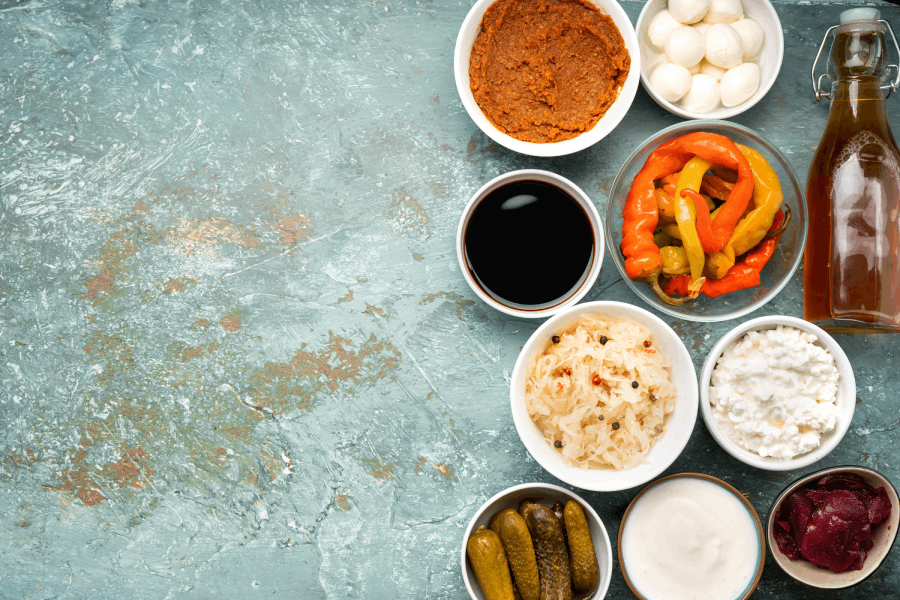
Including fermented foods in your daily diet is one of the simplest ways to support gut health without relying on supplements. The most important step is choosing products that contain live cultures. Check the label for wording such as “live and active cultures” and look for items that are kept refrigerated, as this usually helps preserve their beneficial bacteria.
Here are some probiotic-rich options to include in your diet.
- Plain yogurt. Look for unsweetened versions with active strains like Lactobacillus or Bifidobacterium.
- Kefir. A tangy, drinkable yogurt that contains both beneficial bacteria and yeasts.
- Sauerkraut. Naturally fermented (not vinegar-based) cabbage that provides both probiotics and fiber.
- Tempeh, miso, and kimchi. Traditional fermented foods made from soy or vegetables; great for people avoiding dairy.
- Kombucha. A fermented tea with live cultures; make sure it’s low in added sugar and doesn’t contain preservatives.
- These foods work best when they’re part of your routine, not just an occasional snack. Think of them as a daily investment in your gut health.
When to Consider Probiotic Supplements
Supplements can be useful if:
- your diet is limited or lacks variety
- you’re recovering from antibiotics
- you’re dealing with chronic digestive issues (like IBS, bloating, or irregularity)
- you need specific strains shown to be effective in clinical studies
Look for well-studied strains like:
- lactobacillus rhamnosus GG
- bifidobacterium infantis
- saccharomyces boulardii (a beneficial yeast often used to treat diarrhea)
Important: Not all probiotic supplements are created equal. Choose products that list the strain, expiration date, recommended storage (some need refrigeration), and provide research-based evidence of effectiveness. If you have a health condition, it’s best to talk with your doctor before starting a new supplement.
How to Get More Prebiotics and Which Sources Work Best
Just like probiotics, prebiotics can come from food or supplements. These are the plant-based fibers that feed your good gut bacteria and help them thrive.
Prebiotics in Food: The Natural Way
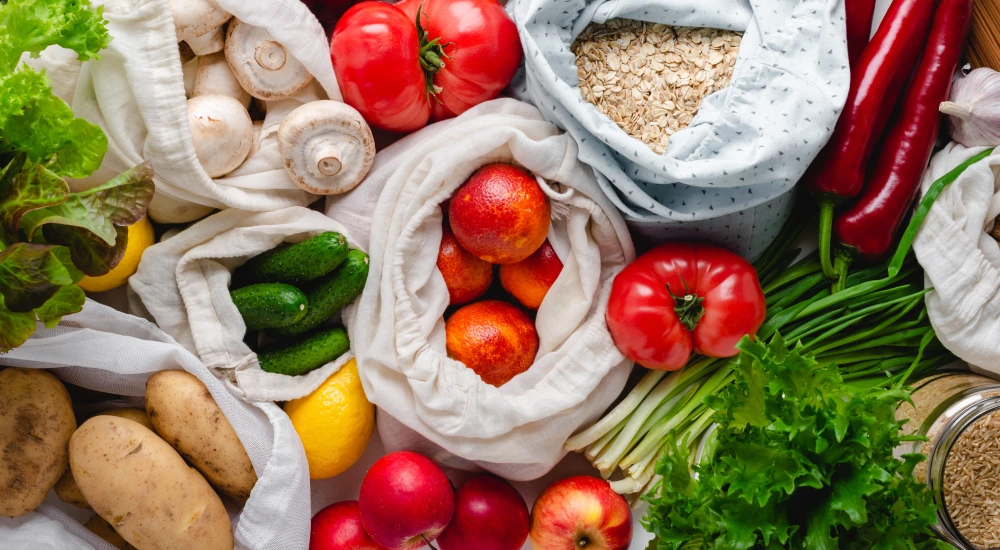
You may already be getting prebiotics in your diet without paying much attention to it. Many common whole foods naturally contain these beneficial fibers, particularly those that are rich in dietary fiber.
Here are some top sources of prebiotics:
- Chicory root. One of the richest sources of inulin, often used in caffeine-free “coffee” alternatives.
- Jerusalem artichoke (sunchoke). Especially when raw, it’s packed with inulin and great for feeding beneficial bacteria.
- Onions and garlic. Contain fructooligosaccharides (FOS), particularly potent when eaten raw.
- Asparagus, leeks, green bananas, apples. Easy ways to add gentle, gut-friendly fiber to your meals.
- Oats, whole-grain bread, beans, and legumes. Excellent sources of soluble fiber that double as prebiotics.
If your meals include a wide range of plant based foods and enough dietary fiber, you may already be supporting your microbiome effectively without the need for supplements.
Prebiotic Supplements: When Food Isn’t Enough
If your diet is limited (due to food sensitivities, medical conditions, or lifestyle), prebiotic supplements can help fill in the gaps. These usually come as powders, capsules, or drink mixes.
Look for ingredients like:
- inulin
- galactooligosaccharides (GOS)
- fructooligosaccharides (FOS)
- resistant starch
- psyllium husk
Many powders can be added to yogurt, smoothies, or even your morning coffee. But as with any supplement, check with your doctor before starting, especially if you have IBS, bloating, a sensitive gut, or diabetes. Some fibers can cause gas or discomfort if introduced too quickly.
What You Can Start Doing Right Now
Take a quick look at what you eat in a typical day. Is there anything fermented in your meals? Are you getting enough fiber?
Next time you're at the grocery store, check the label on your yogurt. Toss some raw garlic into a dish. Add a spoonful of fiber to your smoothie or oatmeal. Not because you “should”, but to see how your body responds.
Your gut doesn’t need perfection. It just needs a little attention.