
How to Tell If You Have Bowel Movement Issues and What to Do About Constipation
There’s a common misconception that if you don’t have a bowel movement for one or two days, you’re already constipated. In reality, this isn’t the case.
Some people may have a bowel movement every two or even three days, and it may still be soft and pass without straining. In this situation, it is considered normal. At the same time, you can go to the bathroom every day and still experience constipation if the process itself causes straining and discomfort.
Therefore, you should focus not only on frequency but also on how the bowel movement occurs.
Over the next week, pay attention to the following signs.
- Stools are hard, dry, and pass with straining
- Ou feel the urge to help yourself: press with your hand on the anus or perineum, or change your body position
- After a bowel movement, there is a feeling that the bowel has not emptied completely, as if something is still left inside
- A trip to the bathroom takes more than 5–10 minutes, or you have to sit and wait for a result
- You experience pain, burning, or a stinging sensation in the anal area during or after a bowel movement
- You experience bloating, a feeling of heaviness in the abdomen, or increased gas
- Your stool may be fragmented, in the form of hard lumps
- There is blood or mucus on the toilet paper or in the stool
If you have these symptoms, don’t wait for the problem to resolve on its own. It’s important to identify the cause and find the right solution. You can visit our clinic for same-day walk-in appointments or book online at a time that’s convenient for you.
How Stool Forms and What Triggers a Bowel Movement
To understand constipation, it helps to know how the process works under normal conditions.
After digestion in the small intestine, the remaining material, along with fluid, moves into the large intestine. This is where the body reabsorbs most of that fluid back into the bloodstream. As water is removed, the contents become more solid and gradually form stool. On average, the large intestine reabsorbs about 30 to 50 ounces (1 to 1.5 liters) of fluid per day.
As stool moves forward, it eventually reaches the rectum. When the rectum fills, stretch receptors send a signal to the brain, creating the urge to have a bowel movement.
At that point, coordination between muscles becomes important. The internal sphincter relaxes through involuntary nerve reflexes, while the external sphincter remains under conscious control. When the pelvic floor muscles and the external sphincter relax at the right time, the bowel empties.
The key point is that the intestines are not passive. They continuously move contents forward while regulating fluid levels, and this balance directly determines how firm or soft the stool becomes.
Common Causes of Constipation
The longer the stool remains in the intestines, the more water is absorbed from it, and the harder it becomes. Constipation occurs when stool is retained or moves more slowly.
Ignoring the Urge to Have a Bowel Movement
When the urge arises, stool is already in the rectum. If you regularly hold it in, the external sphincter contracts again, and the stool partially shifts back upward. The intestines continue to draw water from it, and the stool becomes drier. Over time, the urges feel weaker, and the problem becomes chronic.
Speed of Movement Through the Intestines
The slower the peristalsis, the longer the stool remains in the intestine and the more fluid it loses. This is more common with low physical activity. With movement, peristalsis increases, and the contents move faster.
Diet and Water
Stool is formed from what remains after food is digested. If the diet lacks water-retentive foods and fluid intake is insufficient, stools become hard and dry. An excess of coarse fiber without water can exacerbate this effect.
Change in Routine
While traveling or moving, people often change their routines and diets and delay using the restroom. As a result, the intestines temporarily slow down. This is known as traveler’s constipation.
Anatomical Features
In people with an elongated sigmoid colon, stool travels a longer path. For some people, this isn’t a problem, but when combined with other factors, it can lead to constipation.
Medical causes and medications
Reduced thyroid function can slow down bowel movements. Some medications and supplements may also affect bowel movement patterns. If constipation started after a new medication or supplement, it is worth discussing this with your doctor. In such cases, constipation becomes more persistent and requires evaluation by a doctor.
When Constipation Becomes More Than an Occasional Issue
When constipation becomes regular, the first thing that changes is the experience of a bowel movement itself. Passing stool requires more effort, stools become harder, and there’s often a lingering feeling that the bowel hasn’t fully emptied. The process also starts to take longer.
With repeated episodes, the rectum is exposed to ongoing strain. Over time, it can stretch from holding hard stool, and its sensitivity decreases. As a result, the urge to go becomes weaker and less frequent, which allows stool to remain in the colon even longer and continue to harden.
In some cases, harder stool stays behind while softer material moves around it. This can show up as unexpected staining on underwear without a clear urge to have a bowel movement.
As this pattern continues, more defined complications can develop.
- Anal fissures are small tears caused by passing hard stool and repeated straining. They may heal once bowel movements improve, but if constipation continues, they often become chronic and lead to pain with each bowel movement.
- Hemorrhoids develop from ongoing straining and increased pressure in the rectal veins. Early signs may include discomfort or blood on toilet paper, but over time, hemorrhoids can enlarge, prolapse, and require medical treatment.
How to Manage Constipation
Over-the-counter constipation remedies may provide temporary relief, but they do not always address the underlying cause. Relying on them regularly may make the problem harder to manage over time.
If constipation keeps coming back, the focus should shift from temporary fixes to understanding what’s driving it. In some cases, this may involve underlying conditions that require medical evaluation.
A practical place to start is with your diet, since it’s one of the main factors you can control on a daily basis.
Diet for Constipation
| What Helps | How It Works | Examples |
|---|---|---|
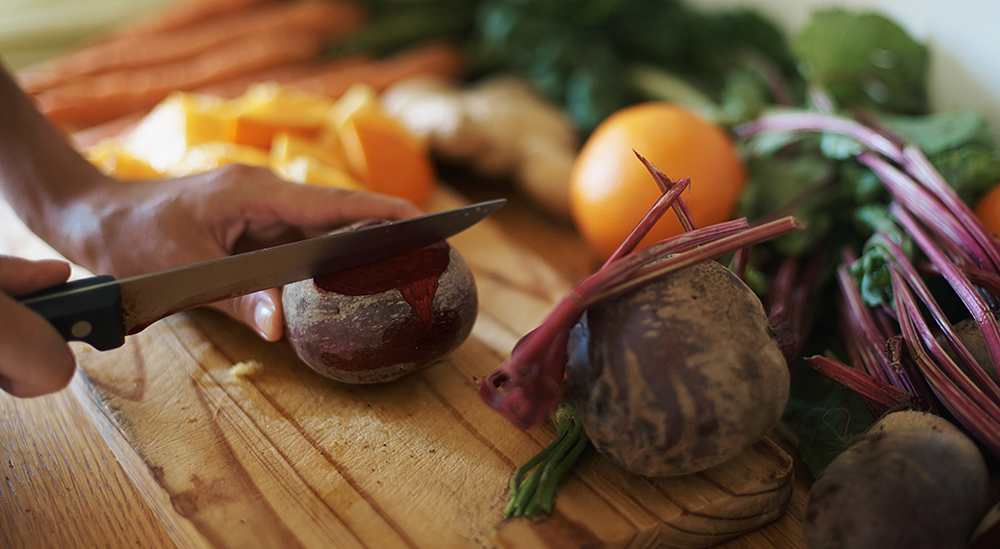
| Fiber | Helps retain water and makes stool softer | 2 kiwis a day legumes, such as lentils or beans 5–7 prunes beets, which can be easily added to meat dishes or cottage cheese |
| Healthy fats | Support bile flow and help stimulate bowel movement | olive oil fatty fish nuts |
| Fermented foods | Support gut function and bowel regularity | yogurt fermented vegetables aged cheeses |
Common Dietary Mistakes That Worsen Constipation
- Adding too much fiber too quickly
Large amounts of bran or fiber supplements can backfire, especially if you are not drinking enough water. Instead of softening stool, they may cause bloating and make it harder to pass.
- Relying on coarse fiber as the main solution
Bran and fiber supplements should not replace regular food. In large amounts, they can irritate the digestive tract and worsen symptoms.
- Making starchy foods the base of your diet
Large portions of rice, potatoes, baked goods, and other refined carbohydrates can contribute to harder stool, especially when your meals are low in vegetables and fluids.
- Expecting one “constipation food” to fix everything
Kiwis, prunes, and beets can help, but they cannot compensate for an unbalanced diet. The effect is usually temporary if the overall pattern doesn’t change.
How to Relieve Constipation and Get Your Bowels Moving
Bowel activity increases after eating or drinking. When you drink or start eating, contractions become more active, and the contents move further along. That’s why many people feel the urge to have a bowel movement after drinking water, coffee, or eating breakfast.
A glass of water upon waking helps kickstart this process. The fluid enhances the movement of the contents and, over time, establishes a more consistent rhythm.
Coffee has a stronger effect. In some people, it causes more pronounced intestinal contractions, so the urge to go arises more quickly. This is a normal reaction if it is not accompanied by discomfort.
Mineral water with magnesium can enhance this effect. Magnesium affects intestinal motility and facilitates the movement of contents. Usually, one glass in the morning is enough, but the effect varies from person to person.
Physical Activity Supports Regular Bowel Function
Prolonged sitting slows intestinal movement and reduces blood flow in the pelvic area. As a result, stool moves more slowly, becomes harder, and the risk of constipation increases. The same pattern also contributes to the development of hemorrhoids.
You don’t need intense workouts to support bowel function. What matters is consistent daily movement.
A practical target is at least 20 to 30 minutes of walking per day. This can be one continuous walk or broken into shorter periods throughout the day. Even this level of activity helps improve how quickly contents move through the intestines.
If you spend most of your day sitting, try to avoid long, uninterrupted periods. Standing up and moving every 40 to 60 minutes, even briefly, can help maintain circulation and support normal bowel activity.
Over time, regular movement is associated with fewer episodes of constipation and less bloating.
You can also add simple movements to support the process. Exercises like bringing your knees toward your chest, performing a bicycle motion, or gently lifting your pelvis can help stimulate bowel activity. Even one to two minutes, especially after waking or after long periods of sitting, can make a difference.
The Correct Posture Facilitates Bowel Movements
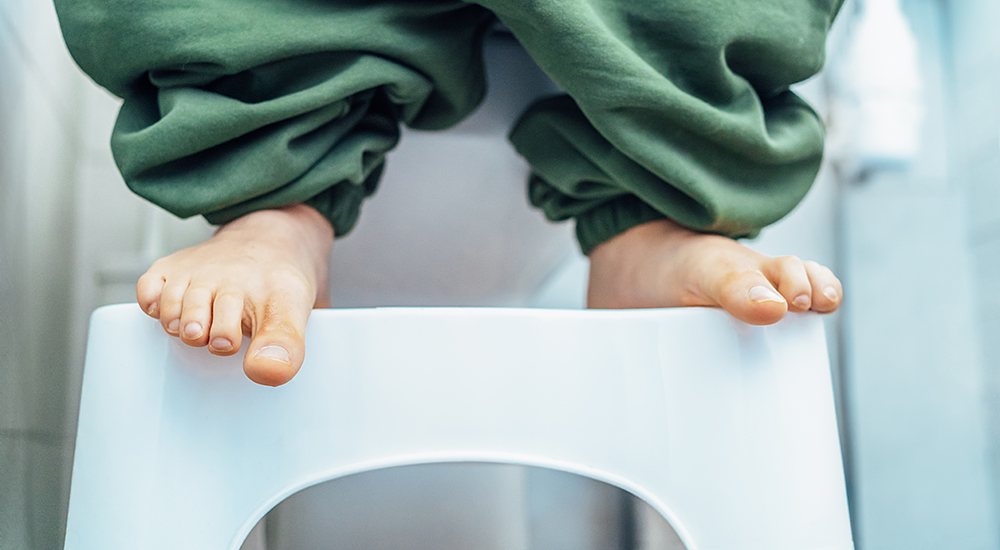
Your body position during a bowel movement affects the passage of stool. When sitting, the rectum remains partially bent, creating additional resistance and requiring straining.
To assume a more natural position, you don’t need to replace your toilet. Special footrests are placed in front of the toilet. They raise your feet by about 6–10 inches (15–25 cm), so your knees are higher than your pelvis and your torso leans slightly forward.
Final Thoughts
If your stool remains hard, you experience pain, see blood, or feel like you haven’t fully emptied your bowels, this is no longer a matter of habit but a reason to investigate the cause.
In such a situation, it’s important not to try every method or put off a solution, but to see a doctor and get a proper evaluation of your condition.