
TB Skin Test
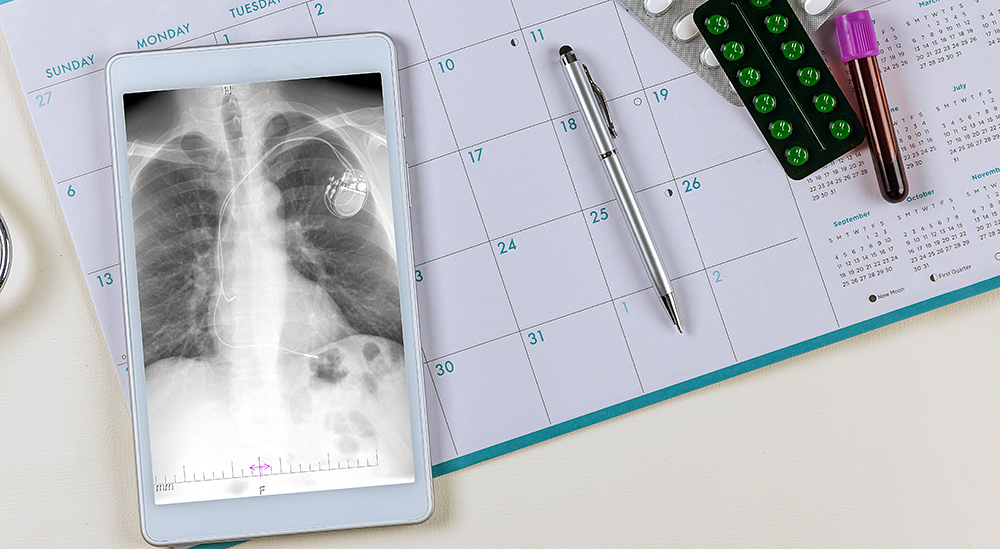
A TB skin test (PPD) is available at Buckhead Primary and Urgent Care Clinic.
The test involves placing a small amount of solution under the skin of the forearm. A follow-up visit is required within 48 to 72 hours to check the result.
Self-pay pricing for the TB skin test is $30. Insurance coverage may vary depending on your plan.
Who May Need TB Testing
TB testing is commonly required for administrative purposes and routine screening.
May Be Recommended If You
- employment in healthcare, education, or childcare settings
- school, college, or training program requirements
- new job onboarding or occupational health screening
- volunteer work or facility clearance
- known exposure to tuberculosis
- travel or other specific program requirements
Testing may also be recommended as part of a medical evaluation based on your history or risk factors.
What is Tuberculosis (TB)
Tuberculosis is a bacterial infection that most often affects the lungs. It spreads through the air when a person with active TB coughs, speaks, or breathes, and others are in close contact.
TB can exist in two forms. In the latent form, the bacteria are present in the body but do not cause symptoms and are not contagious. In the active form, the infection causes illness and can spread to others. Active TB may lead to persistent cough, fever, night sweats, weight loss, and fatigue, and requires medical treatment.
Who May Be At Higher Risk
The risk of infection or progression to active disease is higher in the following situations.
- weakened immune system due to conditions such as diabetes, cancer, or HIV
- use of medications that suppress the immune system
- recent close contact with a person with active tuberculosis
- infants and young children, especially under 5 years of age
- older adults
- injection drug use
- chronic medical conditions affecting immune function
- prior tuberculosis that was not fully treated
What If the TB Test is Positive
A positive TB skin test or blood test indicates that the body has been exposed to tuberculosis bacteria.
The result is interpreted in the context of your medical history and risk factors. For the skin test, the provider measures the size of the induration at the test site and evaluates it based on established clinical criteria.
A positive result does not by itself confirm active disease. To determine the next steps, the provider may order a chest X-ray and, if needed, additional tests to assess for signs of active infection.
Based on this evaluation, the provider distinguishes between latent infection and active tuberculosis and determines whether treatment or further monitoring is appropriate.
Get Weekly Health Tips. Stay Healthy.
Our Doctors
Dr. Tim Nguyen

Medical Assistant
.png)
Ling [Last Name]
![Ling [Last Name]](/uploads/files/ling_(1).png)
Kristen Healy