
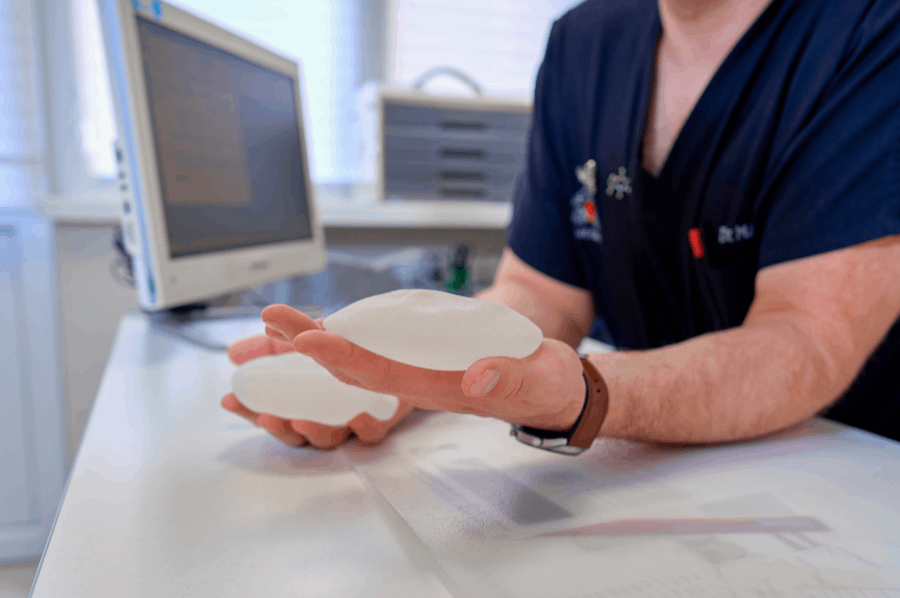
What You Should Know Before Getting Breast Implants
Breast implants are not only about appearance. Many people choose them for cosmetic reasons, for example to enhance shape, restore volume after pregnancy, or achieve a desired contour. For others, implants serve a medical purpose, such as rebuilding the breast after a mastectomy or lowering cancer risk in people with a strong genetic predisposition. In these situations, implants are not a simple personal preference. They are part of essential care.
No matter the reason, it is important to remember that breast implants are foreign objects. They do not spoil or break down on their own, but they can shift, rupture, or trigger a reaction from your body over time. Sometimes they need to be replaced, and not always when it is convenient for you.
This is why it is so important to understand the real risks, how often they occur, and how they are usually managed long before you go into surgery.
Common Questions and Common Myths
If you’ve ever searched “breast implants” online, chances are you’ve come across some alarming headlines:
- “Implants cause cancer”
- “Silicone leaks into your body”
- “You won’t be able to breastfeed”
- “You’ll need replacements every five years”
Social media platforms like TikTok, YouTube, and Instagram are full of videos about complications, botched procedures, and revision surgeries. It’s easy to feel overwhelmed.
The truth? Most of these fears are based on outdated or incorrect information.
- implants don’t prevent breastfeeding
- they don’t cause breast cancer
- modern silicone gels are highly cohesive and thoroughly tested, and they are designed to stay in place
And no, you do not need to replace them on a fixed schedule unless there is a problem. That said, breast implants are not completely risk free. Complications can occur, not in every case, but often enough that you should enter the process informed rather than idealizing the outcome.
Capsular Contracture: The Most Common Complication
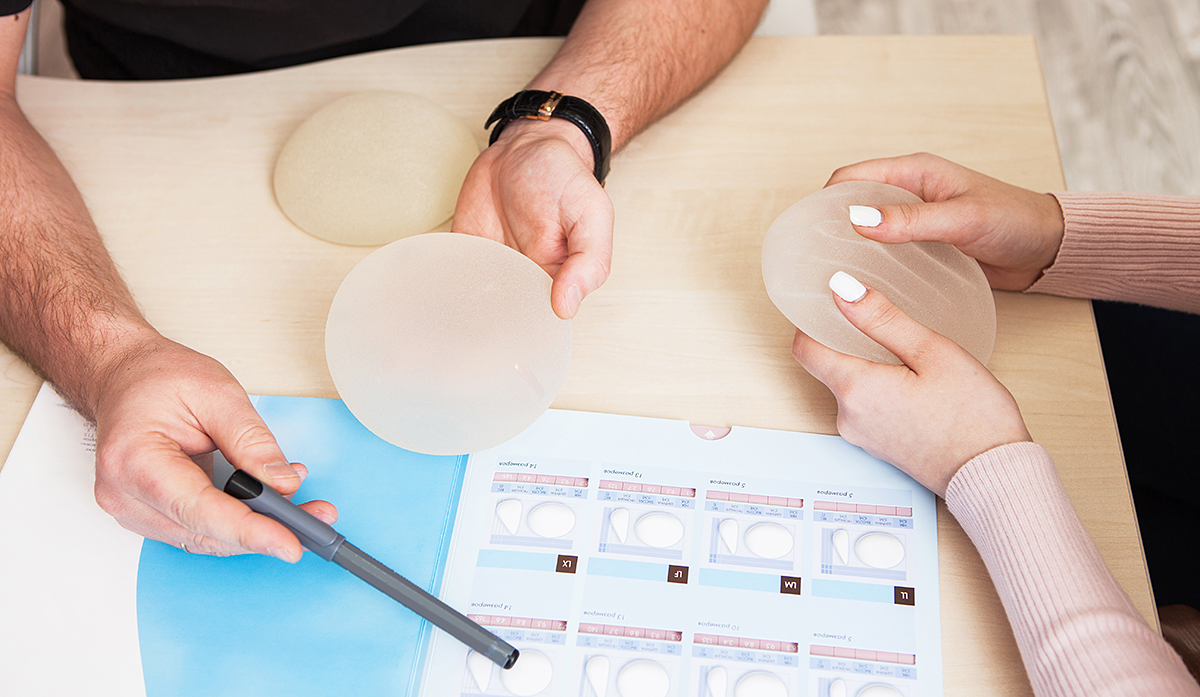
After breast implants are placed, the body naturally responds by forming a protective layer around them. This layer, called a capsule, is made of collagen, which is a type of connective tissue. It is a normal and even helpful response because the capsule helps hold the implant in place and can contain silicone gel in the rare event of a rupture.
For most women, the capsule forms within 3 to 6 months after surgery. It’s usually thin, flexible, and completely unnoticeable.
Problems arise when the capsule becomes too thick or tight and starts squeezing the implant. This condition is known as capsular contracture. It can cause the breast to look distorted or feel firm. In some cases, it may also lead to discomfort or pain.
According to the FDA, capsular contracture is the most common complication after breast augmentation. It affects about one in ten women, especially those with smooth surfaced implants placed above the chest muscle. The risk is significantly lower, around three to five percent, when implants are placed under the muscle or when textured or polyurethane coated implants are used.
Capsular contracture most often appears within the first one to two years after surgery but can also develop a decade or more later.
Implant Rupture
Breast implants are made of cohesive silicone gel enclosed in a durable outer shell. While manufacturers often offer a lifetime warranty, that doesn’t mean the implant will last forever. Over time, the outer shell can weaken or tear.
What Can Cause a Rupture?
Several factors may contribute to implant rupture.
- continuous pressure from chest muscles
- natural aging and thinning of tissue
- hormonal changes
- physical strain or trauma
- repeated changes in air pressure (for example, frequent flying)
- rare manufacturing defects
When Does it Happen?
- In the first few years after surgery, rupture risk is low — around 1–2%.
- The older the implant, the higher the risk of rupture.
- Textured implants placed under the muscle are more likely to rupture over time.
- Smooth implants placed above the muscle tend to have fewer issues.
This is partly due to movement: textured implants bond to surrounding tissue, so they don’t shift as easily. When chest muscles move and press against the implant, tension builds where one part is fixed and another is pulled. Over time, this stress can lead to small tears or full rupture.
You Might Not Notice
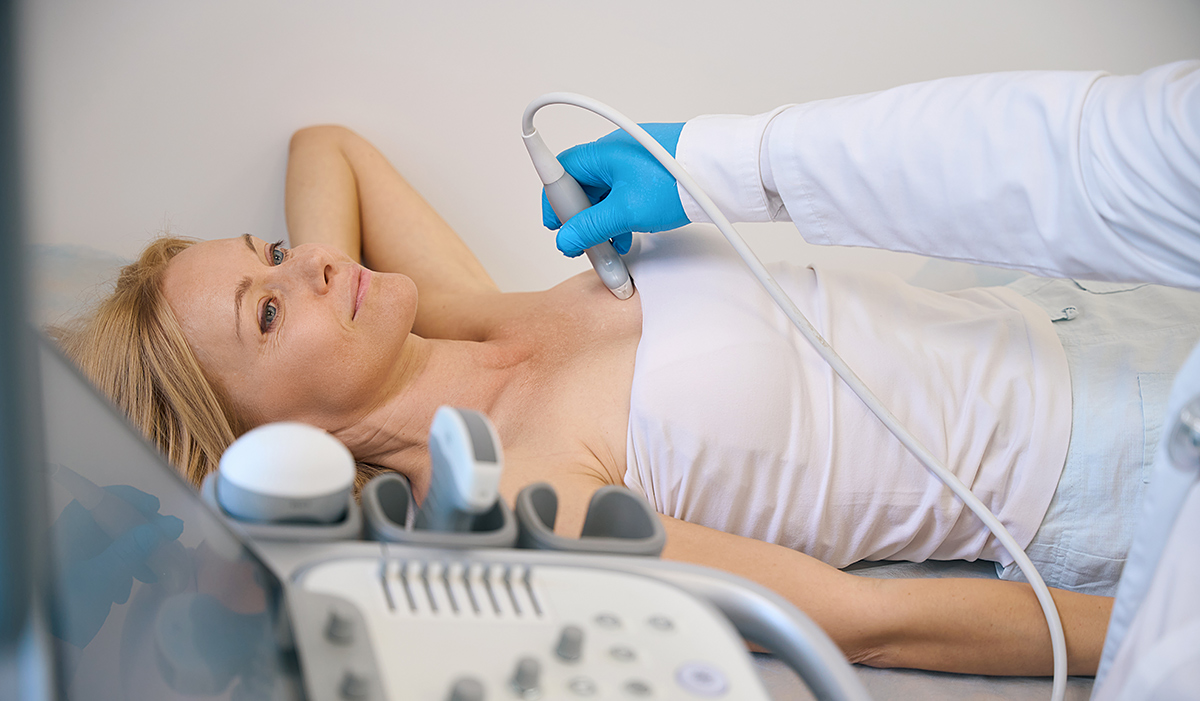
In many cases, a rupture causes no symptoms at all. The breast may look and feel completely normal. This is why the FDA recommends regular imaging, such as ultrasound or MRI, even when there is no pain or visible change.
What Happens If the Implant Ruptures?
If the silicone gel leaks, it may remain contained within the surrounding capsule of scar tissue. If that capsule becomes damaged, the gel can move into nearby tissue or lymph nodes, which can lead to inflammation and the formation of silicone granulomas, small lumps that form as part of the tissue response.
Treatment
Ruptured implants must be removed surgically. In most cases, both implants are replaced at the same time, and your surgeon may recommend additional adjustments to maintain the breast’s appearance.
A Rare but Serious Risk: BIA-ALCL
BIA ALCL, which stands for Breast Implant Associated Anaplastic Large Cell Lymphoma, is not breast cancer, although it is often mistaken for it. It is a rare type of non Hodgkin lymphoma, a cancer of the immune system, that can develop in the scar tissue and fluid surrounding a breast implant.
According to the FDA, the estimated risk ranges from one in three thousand to one in thirty thousand patients, depending on the type of implant. Most cases are linked specifically to textured surface implants rather than smooth implants. Some textured implant models have already been banned or voluntarily removed from the United States market.
When Does It Occur?
Most cases are diagnosed eight to eleven years after implantation. The condition usually develops slowly and is highly treatable when it is detected early.
Signs to Watch For
BIA-ALCL may appear suddenly, even years after surgery. Contact your doctor if you notice:
- swelling in one breast
- a new lump or firm area near the implant
- fluid buildup around the implant (usually felt as tightness or discomfort)
Any unexplained changes in your breast, especially long after surgery, should be evaluated promptly.
How Is It Treated?
Early diagnosis offers an excellent outlook. If BIA-ALCL is confirmed, treatment typically involves surgical removal of both the implant and the surrounding scar capsule. In most cases, this is curative without the need for chemotherapy or radiation.
Breast Implant Illness (BII): What We Know So Far

Some women with breast implants report experiencing a wide range of persistent, unexplained symptoms.
These may include:
- chronic fatigue
- joint or muscle pain
- sleep disturbances
- skin rashes
- trouble with memory or concentration (“brain fog”)
These symptoms are often referred to collectively as Breast Implant Illness (BII).
Is it a Proven Diagnosis?
As of now, there is no confirmed scientific link between breast implants and BII. However, the FDA recognizes the growing number of patient reports and is actively collecting data and conducting ongoing research.
What Do Patients Report?
Some women have noticed significant improvement in their symptoms after having their implants removed. That improvement may be related to a variety of factors — including individual immune responses, the type of implant used, or how it was placed.
What Should You Do?
If you’re experiencing ongoing symptoms after breast implant surgery — even if they seem unrelated — it’s important not to ignore them. Talk to your doctor. You may need additional evaluations, and in some cases, removing the implants may be considered as part of your treatment plan.
While BII is not fully understood, your symptoms and well-being are real. Being proactive about your health is always the right choice.
Final Thoughts
Breast implants can provide confidence, restore shape, and create meaningful change. At the same time, they are not something you can simply set in place and forget. They require thoughtful planning, realistic expectations, and ongoing attention.
For most people, implants are safe and dependable when placed by an experienced surgeon and monitored over time. The important thing is to view them not as a quick fix, but as a long term commitment to your body and your health.
Stay curious, ask questions, and trust your instincts. The more you understand going in, the more confidently you can choose what is truly right for you.